



If your dental bridge moves when you bite, lifts at one end, or feels different from its usual fit, arrange a dental assessment promptly. You can have a loose dental bridge checked at Blanc Dental Center in Montreal. We offer consultations for specific dental problems, as well as restorative dentistry, at 4215 Rue Saint-Jacques and 5001 Rue Jean-Talon O. Call the clinic most convenient for you and say that your bridge is loose so the team understands why you need an appointment.
Do not wait for the bridge to fall out. Sometimes the bond holding a bridge has failed while its supporting teeth remain sound. In other cases, movement is a sign of decay, a cracked supporting tooth, gum problems, or damage to the bridge itself. Those situations call for different treatment. An examination, with X-rays or other tests when appropriate, is the way to find out whether the existing bridge can be secured or whether the teeth beneath it need care first.
Until you are seen, avoid chewing on the bridge, do not try to pull it off, and never use household glue to hold it in place. If it comes out, keep it in a clean container and bring it with you. A bridge that has become loose deserves attention even if it does not hurt.
A dental bridge replaces one or more missing teeth with an attached restoration. The replacement tooth is called a pontic. In a conventional tooth-supported bridge, crowns attached to neighbouring teeth hold the pontic in place. Those neighbouring teeth are the supporting teeth, also called abutment teeth. Other bridge designs may rely on a different type of attachment or on implants, so it helps to tell us what kind of restoration you have if you know.
A loose bridge means that some part of this support is no longer stable. The entire restoration might rock, one end might lift while the other remains attached, or the bridge might feel firmly seated until you chew. What feels like bridge movement may sometimes be movement of a supporting tooth instead. You cannot reliably distinguish these possibilities by testing the bridge with your tongue or fingers.
Our practical approach at Blanc Dental Center is to identify what moves, why it moves, and whether the supporting teeth remain healthy before deciding what to do with the restoration. A bridge should not simply be secured over a problem that needs treatment underneath it.
The supporting teeth carry the forces placed on a tooth-supported bridge. If the bridge lifts or rocks, chewing can place force on the remaining attachments and on the teeth beneath them. A gap at a loose margin may also collect food and make cleaning more difficult. If decay or a weakened tooth caused the looseness, continued use does not address the cause.
Early assessment does not guarantee that a bridge can be saved. It does improve the chance of making a treatment decision before a loose restoration falls out unexpectedly, breaks further, or continues to stress a vulnerable tooth. The distinction matters: a bridge with failed cement and healthy supporting teeth presents a different problem from one that has loosened because an abutment tooth is fractured.
Do not use pain as your only guide. A bridge can be loose without pain, and an area that feels comfortable may still need examination. Conversely, discomfort does not automatically mean the bridge must be replaced. The cause, not the sensation alone, determines the appropriate treatment.
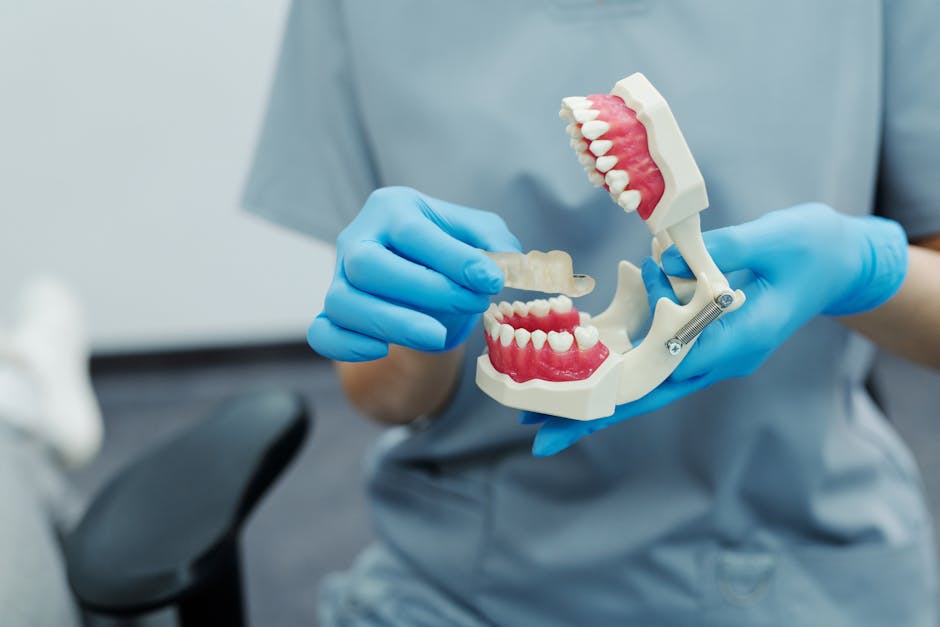
Tell the clinic exactly what changed and when you first noticed it. This helps us understand the problem before your visit. Relevant signs include:
Any clear movement is enough reason to request a consultation. If you have swelling, increasing pain, or a bridge that has come out, say so when you call rather than booking a routine cleaning. Blanc Dental Center welcomes new patients, is open Monday through Saturday, and may have same-day appointments for urgent problems. Availability depends on the day, so calling is the most direct way to discuss timing.
If you develop substantial facial swelling, fever with worsening dental symptoms, or difficulty swallowing or breathing, seek urgent medical care. Those symptoms call for a different level of urgency than an otherwise uncomplicated loose bridge.
A focused consultation begins with the history of the bridge and your symptoms. We want to know when it was placed if you remember, whether it has been reattached before, and whether you noticed the problem suddenly or gradually. If another dentist made the restoration, bring any information you have, but do not delay an appointment because you cannot find it.
The dentist examines the bridge and checks its stability carefully. Is the restoration lifting from a supporting tooth, has an attachment broken, or does a supporting tooth itself move? This first distinction guides the rest of the examination. We also look at the bridge margins, visible damage, and whether its shape still allows you to clean around it.
The condition of the abutment teeth matters more than the apparent condition of the replacement tooth. A dentist may check for decay, fractures, tenderness, and changes in the gums around the supporting teeth. If a tooth has previously had a root canal, that history is relevant too. Gum health and the stability of the supporting teeth affect whether the existing bridge can remain a reliable restoration.
Where and how your teeth meet can help explain why a bridge has loosened, particularly if the problem has happened before. X-rays and other tests may be appropriate to assess areas that cannot be judged by sight alone. Our Saint-Henri clinic has digital X-rays and panoramic imaging; our Jean-Talon clinic offers advanced imaging and scanning technology. The dentist chooses the examination tools that fit the specific problem rather than assuming every loose bridge needs the same scan.
We discuss whether the bridge itself is sound, what condition the supporting teeth are in, and what would need to happen before it could be secured. When replacement is the better option, the discussion includes why. Our practice emphasizes transparency and teamwork, including showing patients images when useful to explain what we see. You should leave the assessment understanding what is causing the movement and what the proposed treatment is intended to solve.

It may be possible, but the answer depends on the bridge, its fit, and the supporting teeth. If the problem is limited to loss of retention, the restoration is intact, and the teeth beneath it are suitable, reattaching the existing bridge may be considered. A dentist needs to inspect and clean the relevant surfaces and check the fit before making that decision.
Reattaching a bridge is less straightforward if decay has changed the shape of a supporting tooth, a tooth or part of the bridge has fractured, or the restoration no longer seats accurately. Cement cannot repair a crack, restore lost tooth structure, or treat an infection. Likewise, repeatedly reattaching a bridge that keeps loosening without investigating why can miss a problem with its support or your bite.
Do not assume the bridge is unusable if it falls out intact, and do not assume it is reusable just because it looks fine in your hand. Bring it to the appointment. The teeth underneath and the inner surfaces of the bridge both need evaluation before anyone can recommend reattachment.
We offer restorative dentistry that includes dental bridges, crowns, root canal treatment, periodontal care, and dental implants. Those services matter here because a loose bridge may be a restoration problem, a supporting-tooth problem, or both. The right sequence begins with the diagnosis.
Reattaching the existing bridge may be a reasonable option if the dentist can confirm that it fits and has adequate support. The dentist will also consider why it came loose. If it has happened repeatedly, simply restoring the bond may not resolve the underlying issue.
A cavity, damaged filling, or fractured area may need repair before a bridge can be secured or replaced. If the inner tissue of a supporting tooth is affected, a root canal may be considered after diagnosis. If gum disease is undermining a supporting tooth, its periodontal condition needs attention as part of the plan. A treatment recommendation should distinguish between preserving the tooth and replacing the bridge that sits on it.
Replacement may be more appropriate if the bridge has fractured, its margins no longer fit the teeth, or changes to the supporting teeth make the old restoration unsuitable. We offer bridges and crowns, including CEREC restorative technology where appropriate. A digital scan may help plan a new restoration, but the choice of restoration and number of visits depend on the clinical findings. For context on factors that affect a bridge over time, see how long a dental bridge usually lasts.
If a tooth can no longer support a bridge, the plan changes. Depending on the remaining teeth and your oral health, a new tooth-supported bridge or an implant-based option may be discussed. We provide dental implant care as well as bridge treatment, which allows us to consider both approaches in a broader restorative plan. An implant is not an automatic replacement for a loose bridge; its suitability depends on an individual assessment of the gums, bone, neighbouring teeth, and overall health.
The key comparison is not simply whether reattachment costs less effort today. It is whether the chosen treatment addresses the cause of the looseness while protecting the teeth that still remain.
Yes. A conventional bridge attached to crowns on natural teeth is assessed differently from an adhesive bridge or a restoration supported by implants. The point of attachment and the structures carrying the load are not the same. This is why it is useful to mention whether your bridge replaces a front or back tooth and whether you know if it attaches to natural teeth or implants.
For example, the evaluation of an adhesive Maryland bridge focuses in part on its bonded attachment. If you believe an implant-supported restoration is moving, tell us that when booking. You may also find our guide to a loose implant crown helpful, since the component that moves affects what needs checking.
You do not have to identify the bridge design yourself. Describe what you feel and let the dentist determine what is loose.
Once the bridge is stable or a replacement has been placed, maintenance focuses on both the restoration and its supports. The care instructions for your particular bridge should come from your dentist, but these principles are useful to discuss:
For more on cleaning around restorations, read our guide to AIRFLOW cleaning for dental implants, crowns, and bridges. Cleaning helps with maintenance, but it is not a substitute for an examination of a bridge that already moves.
When arranging care for a loose bridge, choose a consultation for a specific problem rather than a recall or cleaning visit. Our appointment page explains the visit types: a consultation may involve X-rays or tests, and a full exam may be needed if the care is more complex. Online availability is presented in French, and you can call either clinic directly.
Both locations have free parking. The two clinics serve Montreal patients as well as people coming from nearby communities such as Westmount, Montreal West, Hampstead, Town of Mount Royal, Côte-des-Neiges, and Saint-Laurent. If you are unsure which location to choose, call the one that is easiest for you to reach and explain the symptoms. Mention if the bridge is completely out, a supporting tooth hurts, or swelling is present.
It still needs prompt dental assessment. Lack of pain cannot tell you whether the issue is limited to the bridge attachment or involves a supporting tooth. Call for a consultation, especially if the bridge rocks or lifts when you eat. Swelling, worsening pain, or a detached bridge should be mentioned when booking so the clinic can assess urgency.
No. If an attachment has loosened, chewing will not restore it. The bridge might feel more or less mobile at different times, but that change does not establish that it is secure. Have its fit and supporting teeth examined.
No. Do not pull it free. An attached section may still be connected to a tooth or other support, and pulling could cause damage. Avoid chewing on it and call the clinic. If the bridge comes out on its own, keep it and bring it to the examination.
Do not use household glue. Even with a product labelled for dental use, reattaching a bridge without knowing why it loosened can cover a tooth problem or leave the restoration seated incorrectly. Contact a dentist for advice specific to your situation rather than relying on a home repair.
Place it in a clean container, avoid chewing on the exposed supporting teeth, and arrange an examination. An intact-looking bridge may be reusable, but that depends on its inner fit and on the condition of the teeth that held it. Do not force it back onto the teeth.
Possibly. An examination of the visible bridge cannot always show the condition of a tooth under a crown or what is happening around its root. The dentist may recommend X-rays or other tests based on your symptoms and what the clinical examination reveals. A consultation for a specific problem may include this assessment.
No. If the bridge and supporting teeth are sound, reattachment may be considered. If a tooth needs treatment, preserving it may still be possible. Implants become part of the discussion when the existing support cannot be maintained or when another replacement approach better fits your circumstances. An examination is needed before comparing those options.
Yes. New patients are welcome. Bring the bridge if it has detached and share any information you remember about its history, including previous repairs. The priority is to examine the restoration and the teeth supporting it now.
A loose bridge is a sign to find out what has changed, not a reason to wait until the restoration falls out. The most useful first step is a focused examination of the bridge, its supporting teeth, gums, and bite. Depending on the findings, care may range from reattaching an intact restoration to treating a supporting tooth or planning a replacement.
For a loose dental bridge consultation in Montreal, contact Blanc Dental Center at our Saint-Henri or Jean-Talon O clinic. Tell us what is moving and whether you have pain or swelling, and we can help you arrange the appropriate visit.