


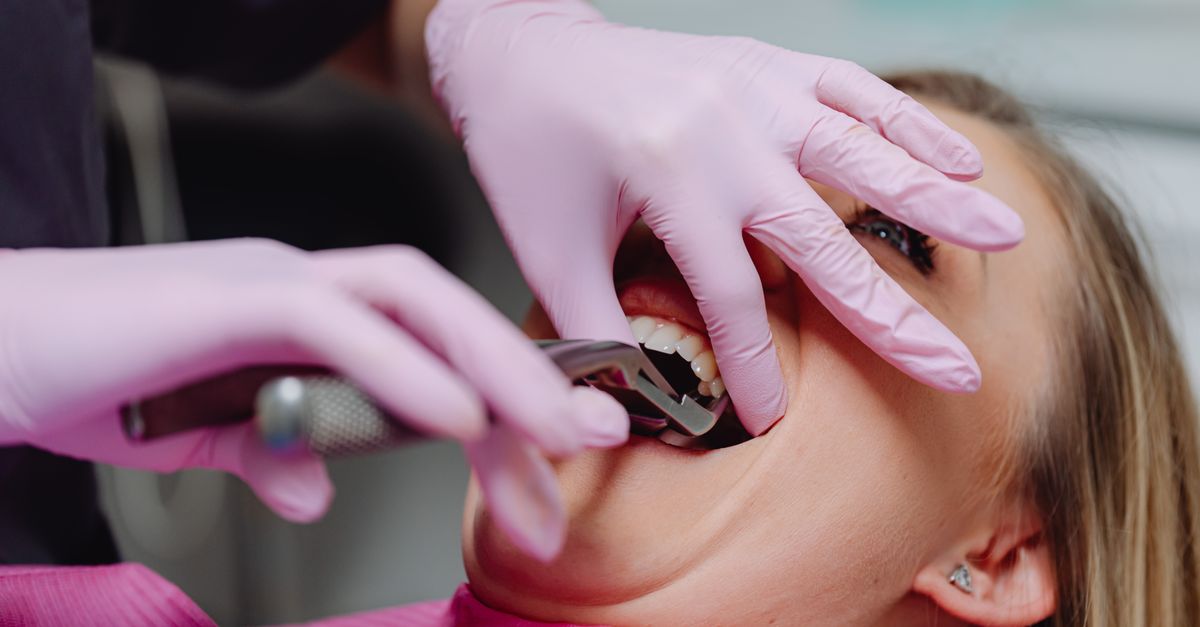
Smoking and vaping can make healing after a tooth extraction more difficult. Both involve drawing air through the mouth, which can disturb the blood clot that forms in the empty socket. Nicotine also reduces blood flow to healing tissue, while smoke and aerosol can irritate the wound. Together, these effects raise concern about delayed healing and dry socket, a painful complication in which the clot is lost or breaks down too early.
At Blanc Dental Center, our practical advice is to avoid smoking and vaping throughout the early recovery period, not just until bleeding stops. Many post-extraction instructions recommend avoiding them for at least 48 to 72 hours; waiting five to seven days when possible gives the site more time to heal without repeated irritation. Your dentist’s instructions take priority, particularly after a surgical extraction, bone grafting, or implant placement.
If you already smoked or vaped, it does not mean you will develop a complication. Stop for the remainder of the recommended period, protect the socket, and watch for pain that gets worse rather than better. Here is what matters most, from the first blood clot to the signs that warrant a dental examination.
An extraction leaves a space in the gum and jawbone called a socket. Blood collects there and forms a clot. That clot covers sensitive tissue and provides a foundation for the healing process. Over time, the gum closes over the area and the bone underneath continues to change. The surface may look much better before the deeper tissues have finished healing.
The first days are particularly important because the clot can still be disrupted. That is why extraction instructions commonly restrict forceful spitting, vigorous rinsing, straws, smoking, and vaping. You do not need to see a perfectly formed clot to know healing is underway, and repeatedly checking the socket with your tongue or a finger can irritate it.
A small amount of blood-tinged saliva soon after an extraction can be expected. The more useful question is whether bleeding is settling and discomfort is gradually becoming manageable. If either starts to worsen, contact the dentist who treated you rather than trying to diagnose the socket by its appearance alone.
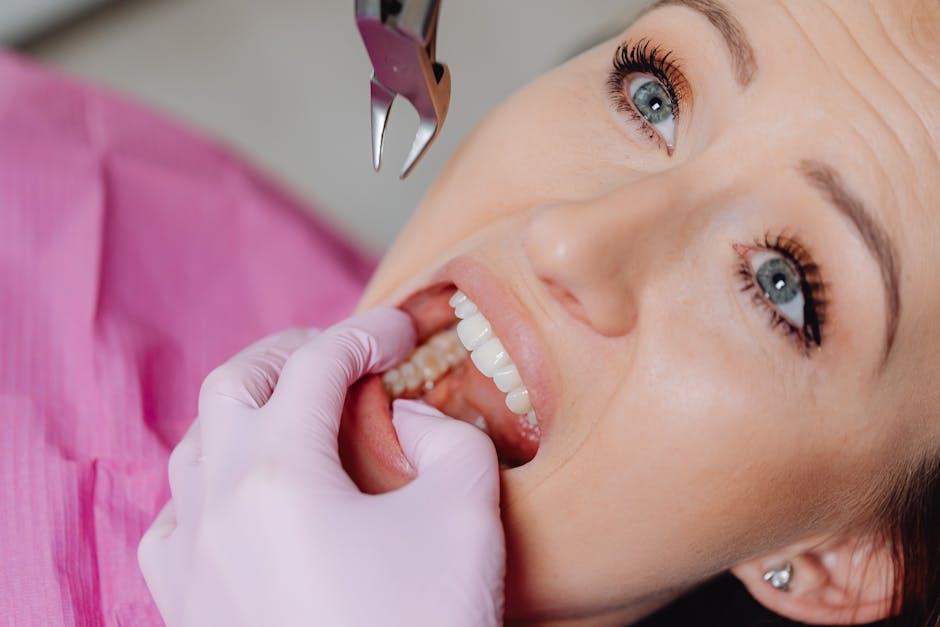
Smoking brings several avoidable stresses to a fresh extraction site at the same time. They are related, but they are not identical. Understanding the difference helps explain why simply taking a lighter puff does not solve the problem.
Drawing on a cigarette creates pressure changes inside the mouth. A new clot is vulnerable to being loosened, especially while the socket is still fresh. Suction is also the reason patients are usually told to drink from a cup instead of a straw early in recovery. Smoking gently is not a reliable way to eliminate that pressure.
Nicotine constricts blood vessels. Healing tissue depends on a steady blood supply to deliver oxygen and nutrients. That means nicotine exposure is a concern even if the cigarette does not appear to cause immediate bleeding or pain. The absence of an obvious reaction after one cigarette does not tell you that the wound was unaffected.
Heat and chemicals in tobacco smoke add another source of irritation to tissue that has just been treated. Smoking also makes it harder for the body to respond normally to injury and bacteria. Not every smoker develops an infection or dry socket, but avoiding smoke removes an unnecessary obstacle while the wound is trying to close.
These effects matter beyond the moment you finish a cigarette. Someone who smokes repeatedly during the first few days repeatedly exposes the socket to suction, nicotine, and smoke. Taking a single day off and then returning to frequent smoking may still interrupt a vulnerable phase of healing.
Vaping is not a dependable workaround after tooth removal. Drawing on a vape still involves suction. If the product contains nicotine, it also exposes healing tissue to nicotine’s effects on blood vessels. Aerosol can contact and irritate the surgical area even though it is not the same as cigarette smoke.
A nicotine-free vape removes the nicotine component, but not the inhaling action or aerosol exposure. Choosing a lower nicotine concentration, taking smaller draws, or placing gauze over the site does not make vaping a proven safe option. Gauze is used for bleeding control when directed by your dental team, not as a shield that makes smoking or vaping harmless.
The same caution applies to other inhaled products, including cigars, pipes, cannabis smoke, and cannabis vapes. What you inhale and how you inhale it both matter. If you use cannabis for a medical reason or have received sedation, tell your dental team so they can discuss your recovery and medications with you.
There is no single time at which every extraction socket suddenly becomes safe to expose to smoking. A straightforward extraction, a difficult wisdom tooth removal, and an extraction performed as part of an implant plan do not necessarily heal on the same schedule.
If you are unsure which timeline applies, ask your treating dentist before you resume. Whether the pain has stopped is not the only consideration. Gum tissue can still be closing, and a future implant plan may make protecting the site especially important.
Planning ahead is easier than deciding while you are uncomfortable after the appointment. Tell your dentist how often you smoke or vape and whether you use nicotine products throughout the day. Honest details allow a more useful conversation about the period when you will need to abstain.

Dry socket, also called alveolar osteitis, develops when the clot is lost or breaks down before the underlying socket has enough protection. The exposed area can become very painful. Smoking is an important risk factor because it can interfere with the clot and with healing, although dry socket can occur in people who do not smoke.
The pattern is often more informative than the way the socket looks. Pain may initially seem manageable, then become substantially worse a few days after extraction. It can spread toward the ear, jaw, or side of the face. Some people also notice an unpleasant taste or breath. An empty-looking socket alone is not enough to diagnose dry socket, and ordinary healing tissue can look unfamiliar if you have never seen an extraction site before.
Do not pack the socket yourself or place tobacco, aspirin, alcohol, or other substances against it. A dentist can examine the area, determine whether dry socket or another problem is causing the pain, and recommend appropriate care. Our article on dry socket symptoms, timing, and treatment explains the condition in more detail.
No. Dry socket is associated with the loss or early breakdown of the protective clot. An infection involves a different process and may produce worsening swelling, fever, or pus. Symptoms can overlap, and a painful extraction site should not be labeled by appearance or internet photos. A dental examination is the best way to sort out what is happening.
Some discomfort and swelling are expected after many extractions, especially more involved ones. What deserves attention is a change in direction: pain that intensifies after it had been settling, swelling that continues to worsen, or symptoms that seem out of proportion to the recovery instructions you were given. See our guide to normal healing versus signs of infection after an extraction for a closer look at those differences.
At Blanc Dental Center, we suggest thinking about recovery in three parts: protect the clot, avoid repeated exposure to nicotine and inhaled irritants, and respond early if symptoms change. It is more useful than looking for a trick that makes a cigarette or vape safe immediately after surgery.
This approach also helps if several teeth were removed. More sites to protect can make eating and cleaning less straightforward, so your own written postoperative instructions are especially important. If something in those instructions is unclear, call rather than improvising around the extraction areas.
One cigarette or a few draws from a vape do not guarantee dry socket. There is also no way to undo the exposure by rinsing aggressively. The best next step is to stop, resume the recommended precautions, and leave the socket alone.
If you see a little blood, use the bleeding instructions your dental team gave you. If bleeding is persistent or you are unsure whether it is normal, call the clinic. Avoid taking another puff to manage stress about the first one. Repeated exposure adds risk without helping the wound.
Keep track of symptoms over the following days. Pain that becomes notably worse, particularly after a period of improvement, merits a call. Foul taste with increasing pain, spreading swelling, fever, or discharge also deserves assessment. You do not need to wait until you can see bone or until pain becomes unbearable.
Products that do not require inhaling avoid the suction of smoking or vaping, but that does not automatically make every product appropriate immediately after an extraction. Nicotine itself remains relevant to blood flow. Chewing gum can also be uncomfortable or place pressure near the surgical area, and a pouch or other product held against the gum could irritate it.
If you rely on nicotine throughout the day, ask your dentist or physician about managing cravings during recovery. A patch does not involve drawing through the mouth or chewing near the wound, but whether to use one and how to use it should be discussed in light of your health and procedure. Do not put gum, pouches, smokeless tobacco, or medication directly against the extraction site.
Nicotine-free vaping is not a substitute for this discussion. It still requires inhaling through the mouth. The simplest way to protect a fresh socket is to avoid inhaled products for the period your dental team recommends.
Call your dentist if you have persistent bleeding despite following the pressure instructions you received, pain that worsens rather than improves, an unpleasant taste with increasing pain, fever, pus, or swelling that keeps increasing. Tell the team when your extraction occurred, what symptoms have changed, and whether you have smoked or vaped. That information helps them decide how promptly you need to be seen.
If you have difficulty breathing or swallowing, seek urgent medical help rather than waiting for a routine dental visit. Rapidly worsening swelling also requires prompt assessment. These symptoms should not be treated as an expected part of extraction recovery.
Our Montreal team provides extractions and other general dental care, and same-day emergency appointments may be available. An examination can distinguish a dry socket from another cause of pain and clarify what to do next.
The discussion does not end when the tooth is removed. If you expect to replace it with a dental implant, smoking and nicotine use also matter during the later stages of healing. An implant must heal within the jawbone, so tell your dentist about tobacco and vaping habits while treatment is being planned, not only after a procedure has taken place.
The timing of extraction, possible grafting, and implant placement depends on the condition of the site and your treatment plan. Do not assume that a healing gum surface means every stage underneath is complete. If you are considering a replacement tooth, our guide to smoking and dental implant healing covers the longer-term concerns.
We can discuss extraction and implant options together, including what recovery will require from you. The useful question is not simply whether an implant is possible. It is how to give each stage of care the best conditions to heal.

It is best not to. The clot is still vulnerable, and 24 hours is earlier than the commonly recommended 48 to 72 hours without smoking or vaping. Waiting longer, ideally five to seven days if you can, reduces further exposure while the area heals. Follow any longer instructions from your dentist.
Not necessarily. One cigarette does not mean dry socket will develop, but it can expose the site to suction, nicotine, and smoke. Stop smoking, avoid disturbing the area further, and contact your dentist if pain becomes worse over the next few days.
A nicotine-free vape still involves drawing through the mouth and exposing the wound to aerosol. Avoid it during the period your dentist recommends. Removing nicotine does not remove the mechanical concern for the clot.
No. Gauze does not eliminate the suction involved in smoking or prevent nicotine and smoke exposure. Use gauze only as directed for bleeding control, not as permission to smoke.
It can. A more involved procedure may require a longer period without smoking or vaping and additional care instructions. Follow the timeline from the dentist who performed the extraction rather than assuming the minimum interval for a simpler removal applies.
Smoking cannabis still involves inhalation pressure and smoke near the wound. Vaping cannabis still involves suction and aerosol. Discuss cannabis use with your dental team, especially if you received sedation or are taking medications after the extraction.
Dry socket commonly causes pain that intensifies a few days after extraction, sometimes spreading toward the ear or jaw. An unpleasant taste may accompany it. A dentist needs to examine the site to determine whether dry socket or another problem is responsible.
That depends on the extraction and your dentist’s instructions. Do not use the end of visible bleeding as the signal to restart smoking or vaping. Ask your dental team about your specific recovery period, especially if you had surgery, grafting, or implant treatment.
Smoking and vaping can disrupt the blood clot, expose healing tissue to nicotine or irritants, and increase the chance of a painful recovery. Avoid both for at least the early recovery period your dentist specifies, with 48 to 72 hours commonly advised as a minimum and a longer break preferable when possible. If pain starts getting worse, bleeding persists, or swelling and other symptoms concern you, have the site assessed.
Blanc Dental Center sees patients at 4215 Rue Saint-Jacques and 5001 Rue Jean-Talon O in Montréal. If you need advice about an extraction or a healing socket, request an appointment or call our Saint-Jacques clinic at (514) 933-3368 or our Jean-Talon clinic at (514) 564-4554.