


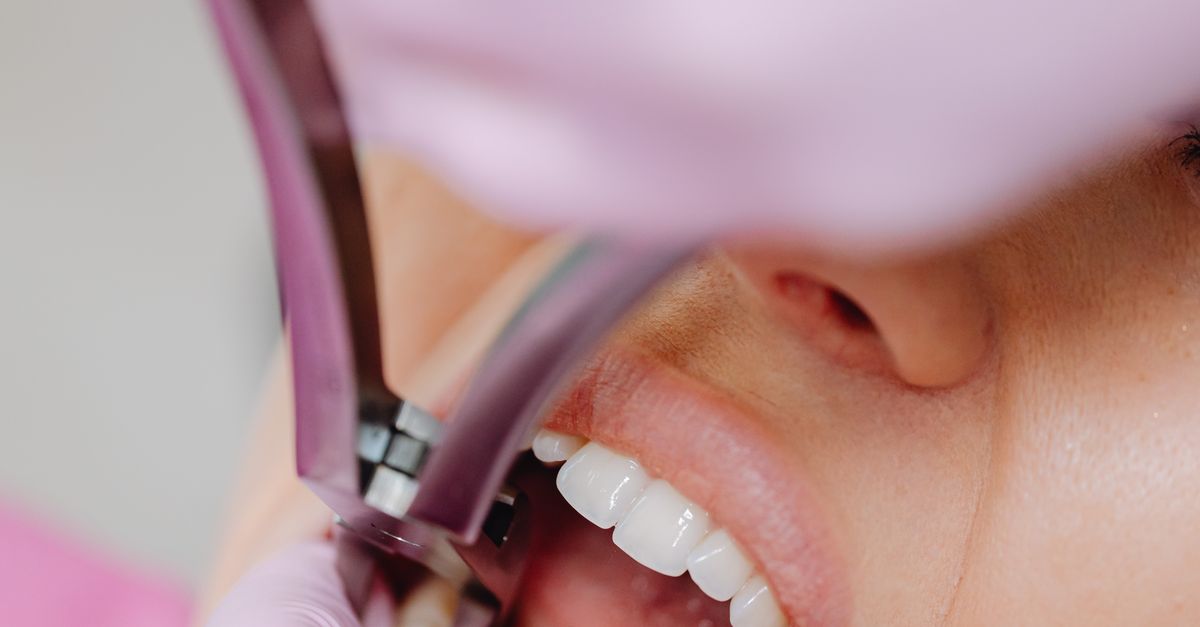
Dry socket is a painful complication that can develop after a tooth extraction when the blood clot protecting the socket is lost or breaks down too early. Its most telling symptom is pain that becomes significantly worse instead of gradually improving, often starting a few days after the extraction. The pain may spread toward the ear or jaw and may come with an unpleasant taste or bad breath.
If you suspect dry socket, contact the dentist who removed your tooth promptly. A dental examination can distinguish it from infection or another cause of pain. Treatment usually focuses on gently cleaning the socket when needed, protecting the sensitive area with a medicated dressing when appropriate, and managing pain while the tissue heals. At Blanc Dental Center, we assess urgent dental concerns at our Montreal clinics, with same-day appointments possible depending on availability.
You do not need to see exposed bone to justify calling. If pain is getting stronger, returns after an initial improvement, or is difficult to manage with your recommended medication, have the site checked rather than trying to treat the socket yourself.
After a tooth is removed, blood collects in the space left behind and forms a clot. That clot covers sensitive tissue and supports the early stages of healing. Dry socket, also called alveolar osteitis, occurs when the clot fails to remain in place or breaks down before the socket has healed sufficiently. The underlying bone may then be exposed to air, food and other irritation.
The name can be misleading. A socket does not have to look completely dry or empty for a dentist to consider this diagnosis. Healing tissue, saliva or food debris can affect what you see in a mirror. The more useful clues are when the pain began, whether it is improving or worsening, and what the dentist finds on examination.
Dry socket is not the same thing as a routine post-extraction ache. It also is not automatically an infection. Those distinctions matter because a person with fever, increasing facial swelling or pus may need a different assessment and treatment plan.
Dry socket usually becomes noticeable within the first several days after an extraction, commonly around days two to four. It may develop between approximately one and five days afterward. A familiar pattern is that the area seems manageable at first, then the pain intensifies or returns after it had started to settle.
Timing is a clue, not a diagnosis. Severe pain on the first day, or pain that develops later than the typical dry socket window, still needs attention. A dentist can consider the type of extraction, the appearance of the site and symptoms beyond the socket itself.
The hallmark is substantial pain centred on the extraction site. People often describe it as deep, throbbing or persistent. It may be more difficult to control than expected with the pain-relief plan given after the procedure.
An empty-looking socket by itself is not proof of a problem, and an ordinary-looking socket does not rule one out. Resist the temptation to touch the site with a finger, cotton swab or toothbrush to get a better look. That can irritate healing tissue and makes it harder to leave the area undisturbed.
| What you notice | Expected healing pattern | Reason to call your dentist |
|---|---|---|
| Pain | Soreness gradually becomes more manageable. | Pain becomes severe, returns after improving or keeps increasing. |
| Location | Tenderness is mainly near the extraction site. | Deep pain spreads toward the ear or jaw. |
| Appearance | A clot or changing healing tissue may be visible. | The socket looks empty, especially alongside worsening pain. |
| Taste or breath | Temporary changes may occur during healing. | A foul taste or odour accompanies significant pain. |
| General symptoms | Discomfort remains local and starts to settle. | Fever, pus, increasing swelling or feeling unwell calls for prompt assessment. |
Swelling alone does not establish dry socket. After a difficult extraction, some swelling can be part of healing. Swelling that is rapidly increasing, particularly with fever or trouble swallowing, is a different warning sign and should not be dismissed as dry socket.
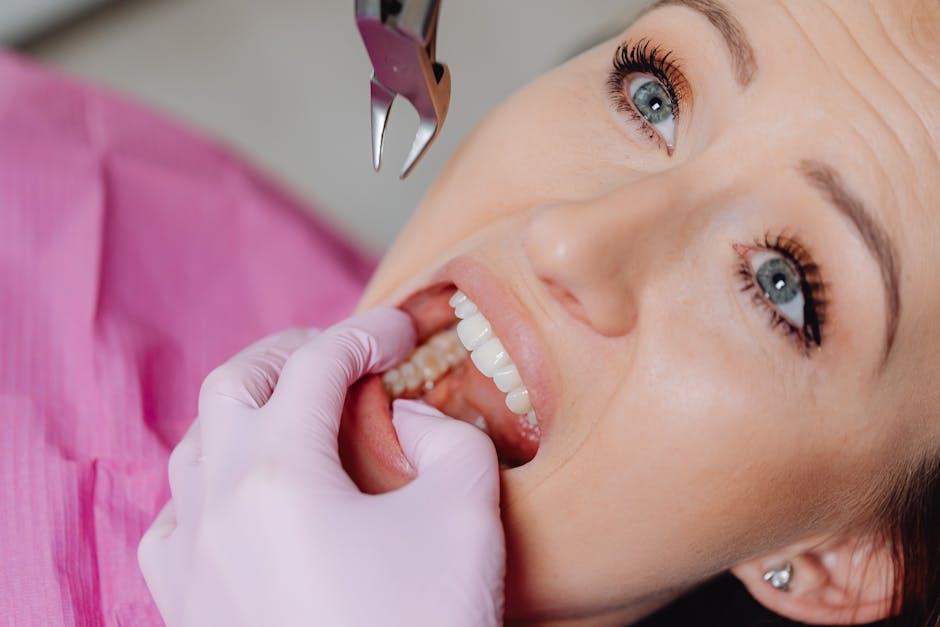
The immediate issue is loss or early breakdown of the blood clot. Sometimes it happens despite careful aftercare. In other cases, irritation of the socket or factors that interfere with healing may contribute. Dry socket is more often discussed after difficult extractions and lower wisdom tooth removal, but it can follow the removal of other teeth too.
Other aspects of your health, medications and oral condition can also affect the advice you receive. Do not stop prescribed medication, including hormonal contraception, on your own because of a concern about dry socket. Instead, tell your dentist what you take and follow a plan tailored to you.
Our practical approach is to look at three things: the pain trend, associated symptoms and whether you can protect the socket until it is examined. That keeps the focus on decisions you can make safely, rather than asking you to diagnose the appearance of the wound at home.
For Montreal patients who need an assessment, Blanc Dental Center offers consultations for specific dental problems. For an urgent concern after an extraction, calling the clinic directly lets you explain the symptoms and ask about available appointments.
A dentist starts with the history of the extraction and a careful look at the site. The timing, severity and location of pain help guide the assessment. The exam also looks for signs that suggest infection, trapped debris or another cause. Not everyone with pain after an extraction needs the same treatment.
If food or other debris is irritating the socket, a dentist may gently flush it. This is different from trying to rinse or irrigate the site forcefully at home. The technique and timing matter, particularly while the wound is still healing. If you have been given an irrigation syringe, use it only according to the instructions for your extraction.
A medicated dressing may be placed in the socket to cover sensitive tissue and relieve pain. The dentist decides whether a dressing is appropriate and whether it needs a follow-up visit. Its purpose is comfort and protection while the body continues to heal; it does not replace the normal healing process.
Pain relief may include medication recommended or prescribed after an individual review. An anti-inflammatory medicine is not suitable for everyone, including some people with kidney or stomach problems or those taking certain other medicines. If your current plan is not controlling the pain, tell the dentist rather than combining medicines without guidance.
Dry socket alone does not automatically require antibiotics. It is primarily a painful healing complication, not simply a bacterial infection. Fever, pus or spreading swelling changes the picture and needs assessment. Your dentist will decide whether there are signs of infection that call for different treatment.
A properly assessed dry socket can often be managed without another extraction or a major procedure. The priority is to identify the cause of pain, make the area more comfortable and give you clear instructions for the next stage of healing.
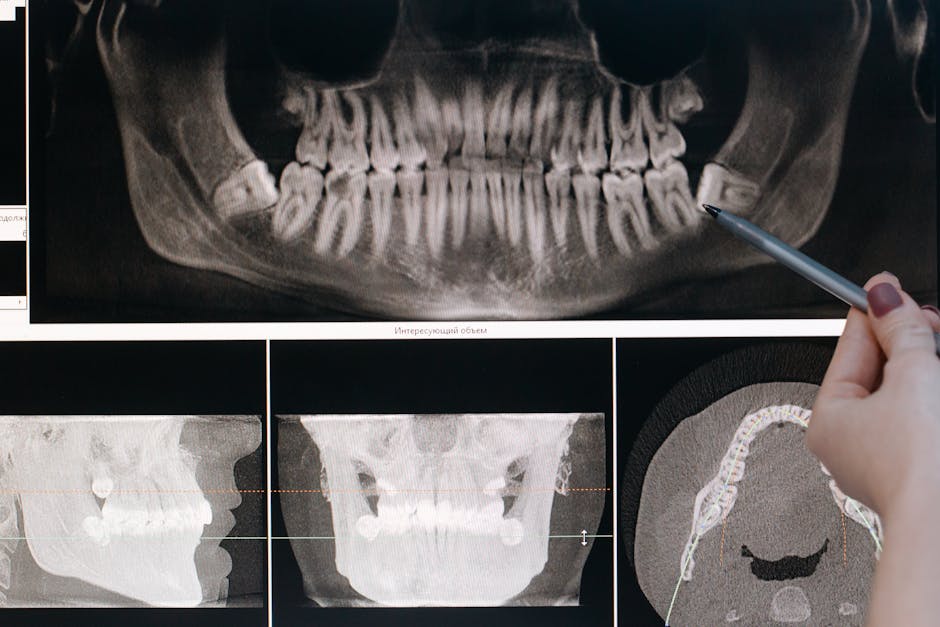
The length of discomfort varies. When a dentist cleans an irritated socket and places a dressing if appropriate, pain may improve before the socket has fully healed. You may still need to avoid disturbing the site and follow instructions for eating and cleaning over the following days.
Do not use the first moment of relief as a sign that follow-up no longer matters. If a dressing needs reassessment, or pain returns once it wears off, contact your dentist. Conversely, do not assume that ongoing severe pain is normal just because you have already been told you might have dry socket. Another issue may be contributing and deserves a fresh look.
The most useful prevention strategy is to protect the clot and follow the instructions for your procedure. Advice can differ when an extraction was surgical, when stitches were placed or when you have particular medical needs. If your dentist’s written instructions differ from general advice online, use the instructions given to you and ask the clinic about anything unclear.
Prevention reduces avoidable irritation but cannot guarantee that a dry socket will not occur. If one develops, it does not necessarily mean you did something wrong. What matters next is recognizing the change and arranging an examination.
Dry socket can be intensely painful, but certain symptoms also raise concern about infection, uncontrolled bleeding or another complication. Seek urgent medical care immediately if you have difficulty breathing or swallowing. Rapidly increasing facial or jaw swelling also requires urgent attention.
Contact a dentist promptly for fever, pus, feeling significantly unwell, bleeding that does not settle with the pressure you were instructed to apply, or pain that is severe and worsening. Numbness that persists after the anaesthetic should have worn off also warrants a call. Explain the full set of symptoms rather than asking only whether the site looks like dry socket.
If you are unsure how urgent a painful tooth or extraction site is, our guide to when dental pain is an emergency explains other warning signs. An examination is still the way to determine what is happening in your specific case.
Yes. Looking in a mirror is not a reliable test. The site can be difficult to see, and healing tissue or debris may obscure it. Worsening pain in the days after extraction is a better reason to call than whether bone is visible.
No, not by definition. It develops when the protective clot is lost or breaks down too early. Infection can cause some overlapping symptoms or occur separately, which is why fever, pus and increasing swelling should be reported to a dentist.
Yes. It is often discussed after lower wisdom tooth removal, especially when the extraction is difficult, but it can happen after other tooth extractions as well. Your individual risk depends on the procedure and other factors.
No. Blood, food debris and changes in how you clean your mouth can affect taste or breath during recovery. A foul taste or odour paired with severe, worsening pain is more concerning and should be checked.
The socket can eventually heal, but the pain may be considerable in the meantime. An examination can identify the cause and, when dry socket is present, allow the dentist to relieve irritation and protect the sensitive area.
Follow the rinsing instructions from your dentist. Gentle rinses may be part of aftercare, but aggressive swishing or self-irrigation can irritate the wound. Ask the clinic before changing how you clean a painful socket.
Do not place oils, medicines or makeshift dressings directly into the socket without dental guidance. A dentist can examine the area first and select an appropriate treatment. Home attempts may irritate tissue or delay assessment of another problem.
Not routinely. Antibiotics are considered when the dentist finds evidence of infection or another reason to prescribe them. They do not replace cleaning, protection and an appropriate pain plan for a dry socket.
Yes. Infection, debris in the socket and other post-extraction complications can cause pain. The timing and symptoms help narrow the possibilities, but a dentist needs to examine the site before deciding on treatment.
After an extraction, judge recovery by the overall trend. Soreness that gradually settles is different from deep pain that becomes worse, spreads toward the ear or jaw, or returns after initial improvement. A dry socket often begins within the first several days, and a prompt dental examination is the best way to confirm the cause and relieve the pain appropriately.
If you are recovering from an extraction in Montreal and the pain is worsening, contact Blanc Dental Center for an assessment. Our St-Henri clinic is at 4215 Rue Saint-Jacques, (514) 933-3368, and our Jean-Talon clinic is at 5001 Rue Jean-Talon O, (514) 564-4554. Both locations offer free parking, and you can also contact our team online.