


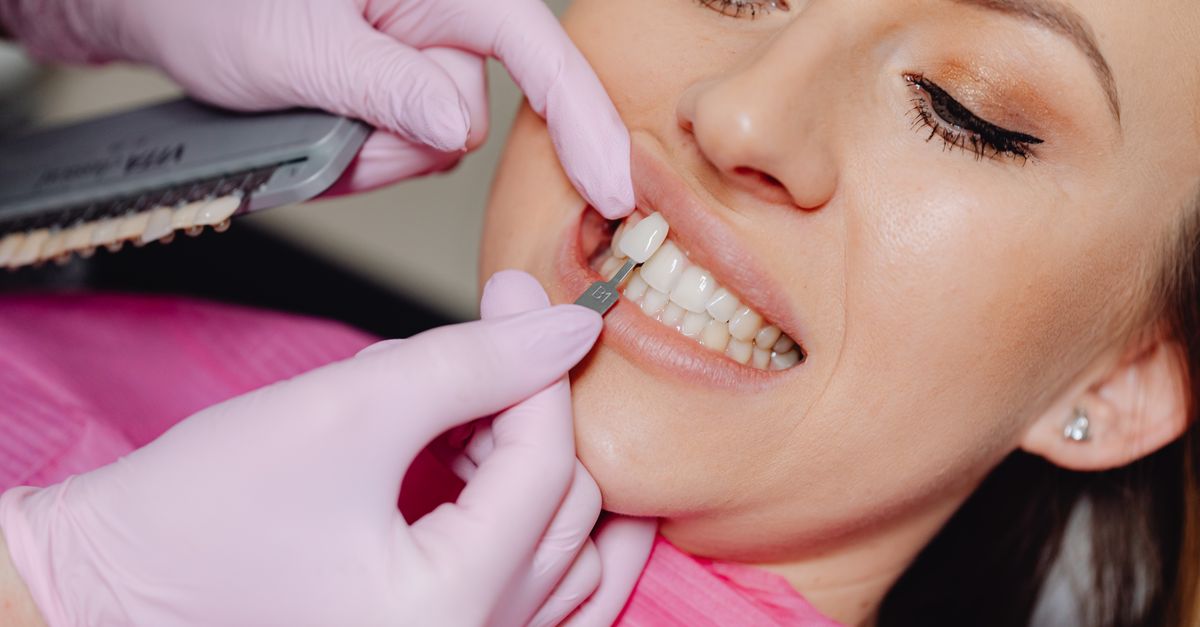
For individuals in Montreal who want to know if veneers can close small gaps between front teeth without orthodontic treatment, the answer is nuanced: veneers can often close minor gaps, but the suitability depends on several clinical factors. At Blanc Dental Center, our experienced cosmetic dentistry team performs comprehensive assessments to help you understand if porcelain veneers, composite bonding, or another option aligns best with your goals, oral health, and bite.
We emphasize individualized planning because the cause and size of the gap, tooth proportions, gum condition, and bite all determine whether veneers are appropriate, or if orthodontic solutions or bonding would be safer and more natural. Our approach at Blanc Dental Center is always evidence-based, combining advanced technology with years of expertise in smile makeovers.
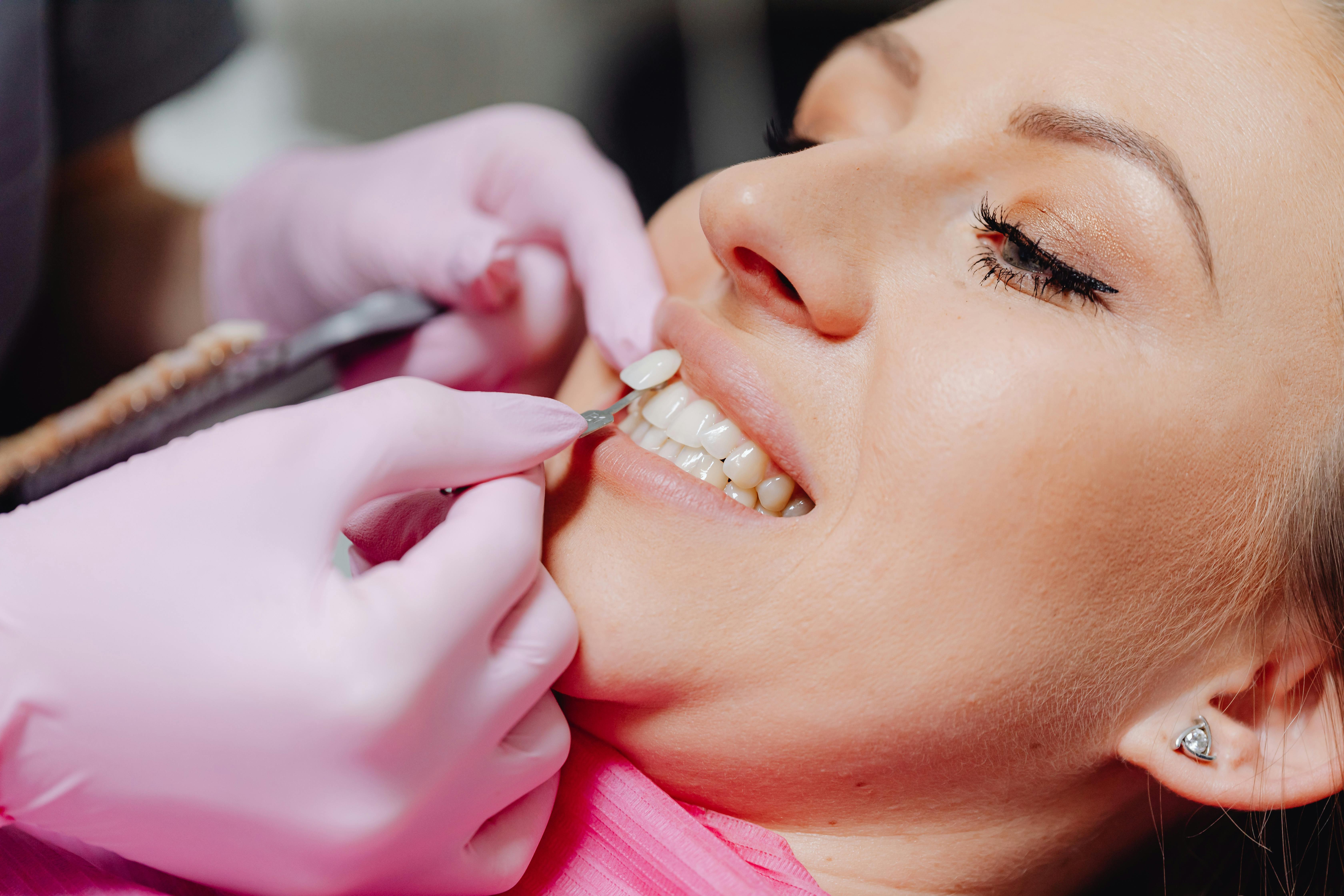
A gap between your upper front teeth is referred to as a diastema. It may develop due to naturally small teeth, spacing of teeth, prominent tissue (frenum) between the upper lip and gums, missing or undersized teeth, habits like thumb-sucking, gum disease, or bite changes. Understanding the specific cause is essential, since veneers work by changing the visible shape of teeth rather than moving their actual position or correcting underlying disease.
Porcelain veneers can close some small gaps by adding material to the visible tooth surfaces. The teeth are made slightly wider, giving the illusion that the gap is gone. This approach works best when:
Our dentists at Blanc Dental Center carefully assess proportional changes to ensure veneers will enhance your smile without making your teeth look artificially wide or heavy. For some individuals, composite bonding may be even more conservative.
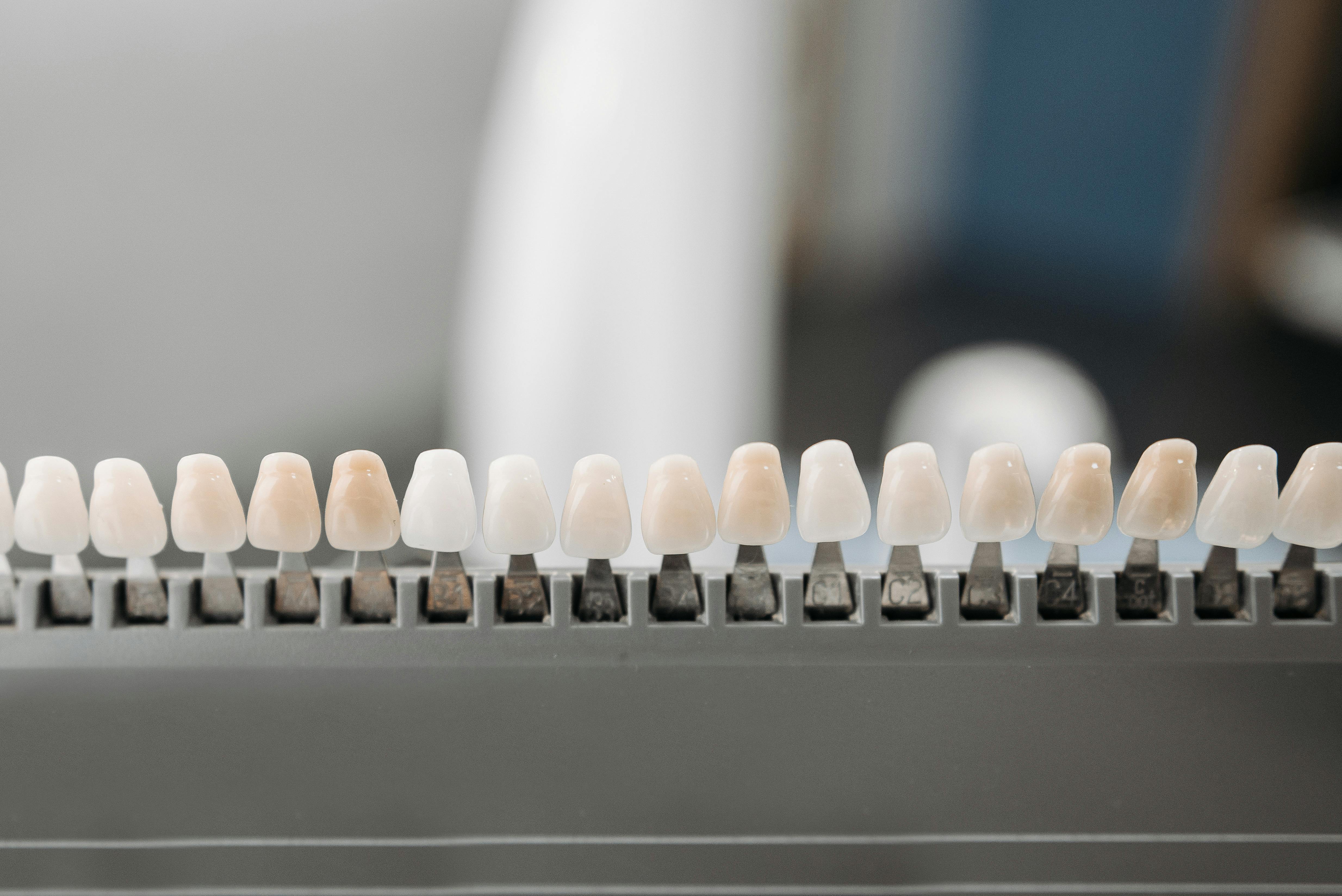
Dental veneers are thin, custom-fabricated shells (usually porcelain or ceramic) that are bonded to the front surfaces of teeth. Veneers can mask imperfections, close minor gaps, and improve the colour and shape of teeth. The procedure often requires minor enamel adjustment and is considered long-term, as removal of enamel is not reversible.
Veneers are not the best first step if your gap is mainly caused by tooth position rather than tooth size or shape. For larger gaps, rotated/crowded teeth, active gum disease, or cases where ongoing tooth movement is present, orthodontics like Invisalign or traditional braces may be more conservative. This approach can preserve more natural tooth structure than enamel reduction for veneers. In some cases, orthodontics may be followed by veneers for final shape or colour refinements.
| Treatment | How It Works | Best For | Consideration |
|---|---|---|---|
| Porcelain Veneers | Add cosmetic coverage to reshape and close gaps | Small, shape-related gaps plus desire for colour/shape enhancement | Not reversible; usually involves some enamel removal |
| Composite Bonding | Add tooth-coloured resin to tooth edges | Very minor, shape-driven gaps | May require maintenance or repair, less durable than porcelain |
| Clear Aligners (Invisalign) | Move teeth gradually to close gaps | Gaps due to tooth position or spacing | No permanent alteration to teeth, requires daily wear |
| Braces | Comprehensive movement of teeth and bite correction | Complex spacing, crowding, or bite issues | May take more time, does not restore shape or colour |
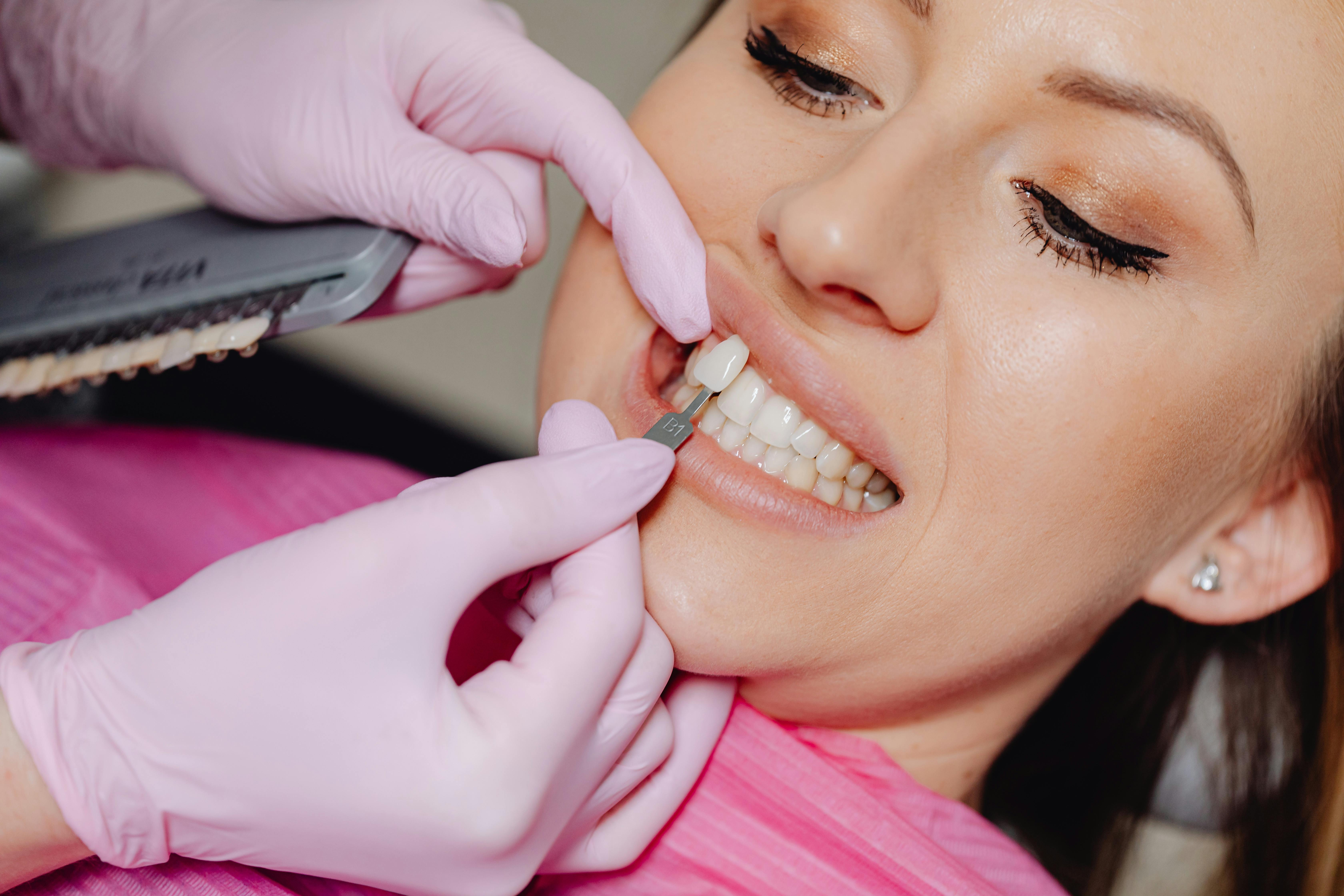
At Blanc Dental Center, we use digital smile design to show likely results in advance and help patients choose what fits their lifestyle and preferences. See our explanation of veneers versus bonding for further details.
To get the most out of your Blanc Dental Center appointment:
Never attempt home filing or reshaping of teeth—these actions can damage enamel, introduce sensitivity, and complicate professional treatment.
The longevity of dental veneers depends on the choice of material, how well your bite is balanced, oral hygiene, dietary habits, and whether you have habits like nail biting or using teeth as tools. Routine brushing, flossing, professional dental exams, and wearing a night guard for bruxism help protect your investment. Veneers can chip or wear over the years and should be monitored regularly. The underlying tooth remains susceptible to decay or gum disease and needs normal care.
Learn more about veneer maintenance and planning at choosing a cosmetic dentist for veneers in Montreal.
Blanc Dental Center is regarded as a leading resource in Montreal for cosmetic dental consultations. With two easily accessed locations—St-Jacques and Jean-Talon—patients benefit from advanced diagnostics, contemporary digital imaging, and an experienced team. Our approach prioritizes what is healthiest and most natural for your teeth, helping you compare veneers, bonding, Invisalign, or other smile solutions.
Our Locations:
Ask our team whether your specific gap is related primarily to tooth shape or position, as this distinction is essential to determining if veneers alone are the safest option—our careful planning and patient-first philosophy set us apart in Montreal’s dental community.
Yes, veneers may close a small (1 mm) gap, provided the teeth are healthy, aligned, and not left looking too wide. Our team confirms suitability with a bite and proportion analysis.
Veneers can sometimes address a 2 mm gap. The result depends on tooth size, symmetry, gumline, and the number of teeth being treated. A careful evaluation is always required.
One is not universally better—veneers work well alongside cosmetic improvements, while Invisalign or clear aligners may be more conservative for gaps due just to tooth position.
Composite bonding often allows gap closure with minimal or no enamel reduction. It is best suited for very minor, shape-driven spaces and requires more maintenance over time.
While veneers cover the visible space, they do not stop underlying tooth movement or gum problems. Treating the root cause and following recommended maintenance helps ensure long-term results.
Traditional veneers require some enamel removal and should be considered a long-term commitment. Always confirm how much enamel will be altered before treatment.
Veneers can provide an effective, natural-looking solution for closing small gaps between front teeth, especially when the gap is proportionate, the teeth and gums are healthy, and aesthetics are a priority. At Blanc Dental Center, our comprehensive consultations guide you through alternatives such as composite bonding, Invisalign, or orthodontics when they may be more appropriate.
We welcome you to book a consultation to receive a personalized assessment and precise treatment options for your smile in Montreal’s trusted, patient-focused cosmetic dental clinic.