


Blanc Dental Center is a Montreal clinic where you can book a consultation to discuss whether an All-on-4 treatment plan can include temporary teeth during healing. We provide dental implant and full-arch care at our Saint-Jacques and Jean-Talon locations. The answer for any individual patient depends on the condition of the jawbone and gums, the planned extractions, and whether the implants can safely support a provisional set of teeth.
The key distinction is between planning temporary teeth and promising fixed teeth immediately after surgery. Temporary teeth can be part of a full-arch treatment strategy, but their design, timing, and whether they attach to new implants must be decided through an examination and implant planning. Ask for those details before approving a plan or comparing fees.
What to ask at your consultation: “What teeth will I wear after surgery, will they be fixed or removable, when will I receive them, and are they included in my estimate?” A useful All-on-4 plan should answer those questions separately for the upper and lower arches if both are being treated.
What temporary teeth mean in an All-on-4 plan
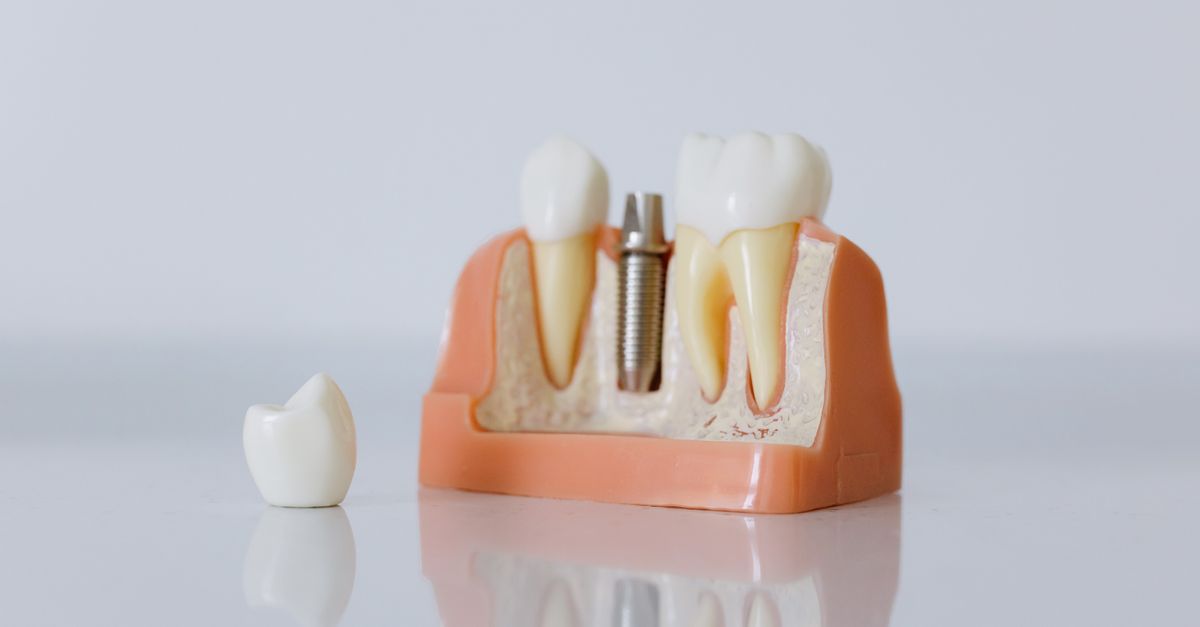
All-on-4 refers to a fixed full-arch restoration supported by four dental implants in one jaw. The arch is the complete upper or lower row of teeth. The implants are placed in the jawbone, while the teeth you see and use are part of a prosthesis attached above them. If both jaws need replacement, the upper and lower arches require their own assessment and treatment decisions. Our guide to planning the upper and lower arches separately explores why those decisions should not be combined into a single assumption.
A temporary prosthesis, also called a provisional restoration, is the set of replacement teeth used before the definitive full-arch prosthesis is fitted. Its job is to give the patient a practical way to smile, speak, and eat within the limits set for healing. It also gives the dentist an opportunity to assess matters such as fit and bite before the final restoration is completed. “Temporary” describes its place in the treatment sequence, not a promise that it can handle every food or remain unchanged throughout healing.
There are two questions that often get compressed into one: Will I have teeth during healing? and Will those teeth be fixed to my new implants right away? A patient might have a provisional solution without being a candidate for an immediately attached fixed bridge. If the clinical conditions do not support the proposed loading plan, the sequence may need to change. That is why a treatment estimate that says only “All-on-4” does not tell you enough about the months between surgery and the final teeth.
| Stage or option | What it means for the patient | What to confirm |
|---|---|---|
| Fixed provisional teeth | A temporary full-arch restoration is attached to implants during the healing phase when the clinical plan permits. | When it will be attached, what it is made of, and what happens if immediate attachment is not suitable. |
| Removable provisional teeth | Teeth are provided for the interim period but are taken out by the patient according to the dentist’s instructions. | How the appliance fits around healing tissues and when adjustments may be needed. |
| Final fixed restoration | The definitive prosthesis is fitted after the treatment team determines that the implants and surrounding tissues are ready. | Whether its design, delivery, and associated visits are included in the quoted fee. |
These descriptions are useful when reviewing options, not a prediction of what any particular mouth needs. Ask the dentist to identify the proposed route in your own plan rather than relying on an advertisement that says “teeth in a day.”

Why fixed temporary teeth cannot be decided from the procedure name alone
A new implant needs to remain stable while bone heals around it, a process called osseointegration. A temporary bridge attached early places demands on the implants before that healing is complete. The dentist must assess whether the planned implants can support the restoration and how chewing forces will be managed. For a closer look at the underlying healing process, read our explanation of how an implant bonds with the jaw.
The consultation therefore needs to consider more than whether four implants can be placed. Factors that may change the provisional plan include:
- Jawbone and implant position: Imaging helps the dentist evaluate available bone and plan where the implants could go. The proposed tooth position and bite matter too.
- Implant stability at placement: Some decisions cannot be finalized until the dentist assesses the implants during surgery. A planned fixed provisional may need to change if stability is not adequate.
- Teeth that still need extraction: Removing failing teeth can affect the surgical sequence and the shape of the healing tissues. Discuss exactly what you will wear immediately afterward.
- Gum health and infection: Active problems need to be evaluated as part of the overall implant plan, not ignored because replacement teeth are being considered.
- Bite forces and habits: Clenching or grinding may place extra stress on a provisional restoration. The dentist may modify the design or instructions accordingly.
- Health and healing factors: Share your medical history, medications, and smoking or vaping habits so the team can plan with those factors in mind.
None of these points automatically rules out implant treatment or temporary teeth. They explain why a reliable answer has to come from an individual assessment. If you are still deciding whether fixed full-arch teeth are a realistic option, our article on All-on-4 candidacy in Montreal outlines related questions.
How to review the provisional stage, step by step
At Blanc Dental Center, we recommend treating the period between surgery and final restoration as its own part of the discussion. A clear plan should allow you to follow what happens to your teeth at each transition, including what changes if the original sequence cannot go ahead as expected.
1 Describe the teeth you have now
Tell the dentist whether you have a complete denture, some remaining natural teeth, an existing implant restoration, or teeth that may need extraction. Bring any available dental records and a list of your medications. If you have a denture, explain whether it fits and how you currently eat with it. This starting point affects the transition to temporary teeth.
2 Complete the examination and imaging
Our appointment options include a consultation for a specific concern and a full exam that includes a panoramic X-ray. Complex treatment may require a full exam or further tests. Our implant planning resources include CBCT 3D imaging and digital scanning. The dentist determines which information is needed to assess the bone, remaining teeth, gums, and proposed restoration.
3 Ask for the sequence in plain language
Have the team walk through the planned order: any extractions, implant placement, the first teeth you will wear afterward, the healing phase, and the definitive restoration. Ask whether the provisional teeth are intended to attach to the implants immediately or whether another interim arrangement is planned. For treatment in both jaws, request an answer for each arch.
4 Discuss the backup plan
A sensible plan explains what happens if the implants cannot safely support the intended temporary bridge at the planned time. Would the type of temporary teeth change? Would their delivery be delayed? What appointments or adjustments might follow? Understanding the alternative before surgery is more useful than assuming the initial schedule is guaranteed.
5 Review care and the final transition
Ask how to clean the provisional teeth, what foods to avoid, who to call if the prosthesis feels loose or breaks, and when the dentist will reassess healing. Confirm how the final restoration will be planned and what must be checked before it is fitted. Our articles on eating with fixed implant teeth and daily routines with full-arch teeth offer useful questions to bring to that discussion.
What should the cost estimate say about temporary teeth?
The phrase “temporary teeth included” needs more detail to be useful. An estimate should distinguish the implant surgery from the provisional prosthesis and the final restoration. It should also make clear which appointments and possible adjustments are covered. Without that breakdown, two quotes for an All-on-4 treatment may describe different treatment sequences.
Before accepting an estimate, ask the clinic to address these items:
- Is a provisional set of teeth included, and is it fixed or removable?
- Does the fee cover its design, fabrication, attachment, and planned adjustments?
- Are the upper and lower arches priced separately?
- What happens to the fee if the provisional design must change after surgery?
- Which follow-up appointments and repairs are included during healing?
- Is the definitive prosthesis included, or is that a separate stage?
- What costs could arise if additional preparatory treatment is needed?
A more detailed estimate makes it easier to plan for both care and expenses. Our guide to what an implant treatment plan should include explains how to review scope rather than comparing a single headline price. If you intend to use dental benefits, ask about the treatment codes and timing early, since coverage and preauthorization depend on your own plan. The article on dental insurance preauthorization in Quebec can help you prepare those questions.
Practical test: If you cannot tell from the estimate what you will wear between implant surgery and the final restoration, ask for that stage to be explained before you sign. The appearance of temporary teeth, their timing, and the financial terms are separate decisions.
Living with temporary teeth while implants heal
Provisional teeth can make the healing period easier to navigate, but they are not simply an early version of the finished restoration. The tissues may change as they heal, the bite may need review, and the dentist may give you specific limits on chewing. Follow the instructions for your actual prosthesis rather than applying advice meant for another type of implant restoration.
Eating requires a different approach
Even when provisional teeth look and feel secure, the implants underneath are still healing. Ask which foods are suitable, whether you should cut food into smaller pieces, and when you may change your diet. Do not assume that being able to bite into a food means it is safe for the temporary restoration. If chewing feels unexpectedly painful or the bite changes, contact the clinic rather than trying to adjust the appliance yourself.
Cleaning depends on whether the teeth are fixed or removable
A fixed provisional needs cleaning around the prosthesis and the tissues beneath it, using the method your dental team demonstrates. A removable appliance has its own handling and cleaning instructions. In either case, ask for a demonstration before you leave the clinic. It should be clear how to clean without disturbing healing areas and how to recognize a problem that needs attention.
Speech and appearance may take adjustment
New full-arch teeth can change how the tongue meets the teeth and how the lips are supported. Some patients need time to adapt to speaking with a new tooth arrangement. Tell the dentist if a particular sound remains difficult or if the provisional teeth interfere with your bite. The temporary stage is a useful time to describe those concerns before the final design is settled. Our guide to speaking with full-arch implants covers the adjustment in more detail.
Follow-up is part of the treatment, not an optional extra
Keep your scheduled reviews even if the temporary teeth seem comfortable. The dentist needs to assess healing, the gums, the prosthesis, and the bite. If something breaks, loosens, or starts causing pressure, seek advice promptly. Waiting for the final restoration is not a good strategy when a provisional needs attention.

How we approach a full-arch consultation in Montreal
Blanc Dental Center provides implant care alongside restorative dentistry, extractions, and periodontal treatment. This range matters when a prospective All-on-4 patient has more than one issue to resolve, such as failing teeth, gum concerns, or an existing denture that needs to be considered in the transition. We start with an assessment of the person’s mouth and treatment goals, not an assumption that every patient follows the same surgical timetable.
Our clinical team works under the direction of Dr. Gabriel Constantin Iorgovan, with mentorship and training in advanced procedures. Dr. Dan Munteanu has training in surgery and implantology, including minimally invasive implantology. We also use diagnostic and planning tools that include 3D imaging and intraoral scanners. Those tools support a discussion about the proposed implant positions and restoration, but they do not replace the dentist’s judgment about whether and when new implants should carry temporary teeth.
If you already have a denture or still have several teeth that may need removal, mention that when booking. You can also read about planning a full arch when failing teeth remain. The most useful consultation is one that addresses both the destination, a stable final restoration, and the transition, the teeth you will use while getting there.
Best practices before deciding on an All-on-4 plan
- Use precise language: Ask about “fixed provisional teeth attached to the implants” if that is what you want to understand. “Temporary teeth” by itself can mean different appliances.
- Discuss timing as a plan, not a guarantee: Find out what is intended immediately after surgery and which findings could require a change.
- Separate treatment by arch: An upper-jaw plan does not automatically answer questions about the lower jaw.
- Bring your medical and dental history: Medications, prior implant care, gum problems, and current dentures can affect the conversation.
- Ask to see the full sequence and fees: Surgery, provisional teeth, reviews, and final teeth should not be mistaken for a single interchangeable item.
- Get clear instructions for the healing stage: Before surgery, know whom to contact about pain, a changed bite, or a damaged provisional prosthesis.
Frequently asked questions about All-on-4 temporary teeth
Will I leave surgery with fixed teeth?
That depends on your individual treatment plan and whether the implants can safely support the proposed provisional restoration. Ask what is planned for the day of surgery, what will be assessed during the procedure, and what you will wear if immediate fixed teeth are not appropriate.
Does All-on-4 always include a temporary bridge?
No single meaning of “All-on-4” settles every detail of the provisional stage or its fee. Confirm in writing whether your estimate includes temporary teeth, their type, their delivery, and their adjustments.
Are temporary teeth the same as permanent teeth?
No. The provisional restoration is used during the treatment transition. The definitive restoration is designed and fitted after the dentist evaluates healing and the final bite and prosthetic requirements.
Can I eat normally with fixed temporary teeth?
Do not assume so. Even when a temporary bridge is attached, the implants are still healing. Follow the diet and chewing instructions given for your particular case, and ask when those instructions may change.
What if I need teeth extracted before implants?
The dentist should explain whether extractions and implant placement are planned together or in stages, and what teeth you would wear after each step. This is particularly important if visible teeth are being removed.
What happens if a planned temporary bridge cannot be attached?
Discuss the alternative before treatment begins. Depending on the clinical findings, the team may need to change the provisional design or timing. Ask how that would affect your appointments and estimate.
Should I ask the same questions for the top and bottom teeth?
Yes. Bone conditions, remaining teeth, and bite forces can differ between the upper and lower jaws. Request a separate explanation for each arch being treated.
What appointment should I book to discuss this in Montreal?
Book a consultation for a specific implant or full-arch concern. If more extensive assessment is needed, the dentist can advise on a full exam and any additional imaging or tests required for treatment planning.
Get an answer that covers the healing period
The right question is not just whether temporary teeth are possible. It is which teeth are planned for your healing period, when they would be fitted, what could change that plan, and what is included in the cost. A full-arch consultation gives you a place to work through those details before deciding on treatment.
To discuss All-on-4 or other full-arch implant options with us, book an appointment at our clinic at 4215 Rue Saint-Jacques, Montréal, QC H4C 1J5, (514) 933-3368, or 5001 Rue Jean-Talon O, Montréal, QC H4P 1W7, (514) 564-4554. Both locations offer free parking.