


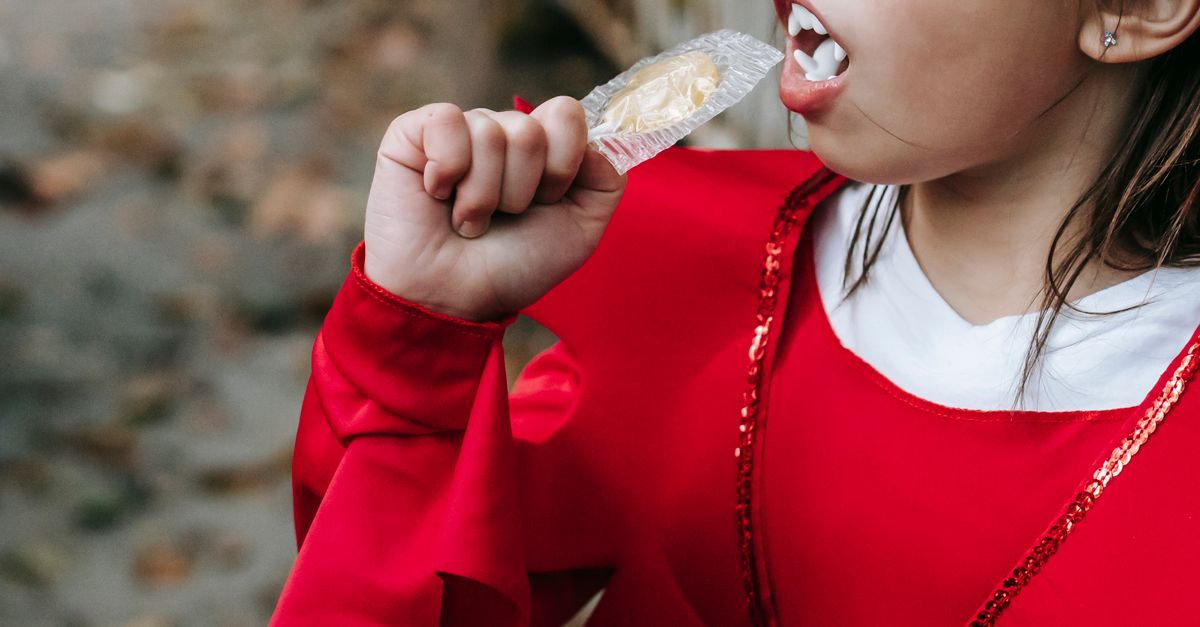
If you have fillings, crowns, or braces, you can still enjoy Halloween treats. The safest approach is to avoid candy that is very sticky or hard, choose a small portion of a softer treat, eat it with or soon after a meal, and clean your teeth afterward. Sticky candy can tug on dental work or orthodontic brackets; biting hard candy can chip a restoration or damage an appliance. Sugar left around filling edges, crown margins, and braces also raises the risk of tooth decay.
At Blanc Dental Center, we suggest making the decision based on texture, time, and the condition of your dental work. A plain piece of chocolate is generally easier to manage than caramel or brittle, but it is still a sugary treat. If a filling, crown, or bracket already feels loose, skip the candy and have it checked rather than testing it with another bite.
Keep the distinction clear: Hard and sticky treats present an immediate risk of breakage or dislodging dental work. Frequent sugar exposure is a separate risk because bacteria in dental plaque produce acids that can contribute to cavities. Choosing a softer candy addresses the first problem, not the need for sensible portions and cleaning.
Why candy affects restored teeth and orthodontic appliances
A filling replaces part of a tooth, while a crown covers a prepared tooth. Neither makes the surrounding natural tooth immune to decay or breakage. A crown can be sound while the tooth near its edge develops a cavity. A filling can remain in place while a thin wall of the tooth beside it cracks. Braces add brackets and wires that can be damaged by chewing and that create additional places for food to collect.
Halloween treats create three practical challenges. First, a firm bite can concentrate pressure on a tooth, restoration, or bracket. Second, chewy candy can stick and pull as you open your mouth. Third, repeated snacking keeps sugar in contact with plaque on the teeth. A single piece of candy eaten as part of dessert is different from reaching into a candy bowl every time you pass it.
These distinctions matter because the right response depends on the problem. A broken bracket needs appliance care, not just better brushing. A missing filling needs an examination, even if rinsing removes the candy that caused it. Persistent sensitivity after sweets may point to exposed tooth structure or decay and should not be dismissed as a normal part of Halloween.

Which Halloween candy is easier on dental work?
The most useful way to compare treats is by what happens when you chew them. Candy names alone can be misleading: a chocolate bar with a caramel centre behaves differently from a plain piece of chocolate, and a soft-looking sweet may hide a hard nut or brittle filling.
| Treat | Main concern | Practical choice |
|---|---|---|
| Caramel, taffy, and chewy gummies | They cling to teeth and may tug on a loose filling, crown, or bracket. | Avoid them if you have braces or vulnerable dental work. |
| Jawbreakers, hard lollipops, and brittle | Crunching can chip teeth or restorations and damage brackets or wires. | Do not bite them. Choosing a different treat also avoids prolonged sugar exposure from sucking on them. |
| Sour candy | It combines sugar with acidity and can irritate sensitive teeth. | Limit it, rinse with water afterward, and avoid brushing immediately after a particularly acidic treat. |
| Plain chocolate without hard or sticky pieces | It still contains sugar, but it generally melts rather than clinging or requiring a forceful bite. | Choose a modest portion with a meal, then clean your teeth. |
| Soft baked treats | They avoid the pulling force of taffy but may leave sugary crumbs around braces. | Check for sticky fillings or hard additions and brush carefully afterward. |
No candy is harmless to teeth simply because it is soft. Likewise, a tooth without braces may still crack if you bite something unexpectedly hard. If you are caring for a child’s Halloween bag, sorting treats by texture is more useful than making a blanket rule that all chocolate is safe and all other candy is unsafe.
Protecting fillings: avoid the pull and watch the tooth around them
A filling repairs a damaged part of the tooth. Its stability depends partly on how much healthy tooth remains and whether its edges are intact. Sticky candy may expose a filling that was already loose, while hard candy may fracture a weakened part of the tooth next to a large filling. You cannot reliably tell how strong an older restoration is by looking at it in the mirror.
- Choose a treat that does not demand repeated chewing. Plain chocolate is generally less demanding than taffy, caramel, or gummies.
- Avoid cracking candy with a filled tooth. Do not assume that chewing on the opposite side makes a hard sweet safe. Candy can shift while you chew.
- Notice the warning signs. A new sharp edge, food catching in one spot, pain when biting, or a bite that suddenly feels uneven deserves attention.
- Keep cleaning the tooth. Floss around a filling as usual, without snapping the floss into the gum. The natural tooth beside the restoration can still develop decay.
If a filling comes out, save any piece you find and avoid chewing on the tooth. A lost filling can leave sensitive or weakened tooth structure exposed. Contact your dentist rather than trying to seal the area with household materials. The next step depends on the amount of tooth remaining and whether decay or a fracture is present. Our article on when an old filling may need a crown explains why a replacement filling is not always the best repair.
Protecting crowns and bridges: support matters as much as the visible restoration
A crown covers a tooth, but the tooth beneath it and the seal at its edge still need protection. Sticky sweets can pull on a crown that is already losing retention. A forceful bite on brittle or hard candy can chip the crown or stress the underlying tooth. A bridge adds another cleaning challenge: food can collect beneath the artificial tooth and around the supporting teeth.
For a crowned tooth, avoid caramel, toffee, and anything that requires you to pry your jaws apart as you chew. For a bridge, follow the same rule and clean beneath it with the flossing method or interdental aid your dental team has shown you. Brush along the gumline, where plaque can build up beside restoration margins.
A temporary crown requires extra care because it is intended to stay in place only while treatment is completed. Avoid sticky treats altogether during that interval, and follow your dentist’s instructions for chewing and flossing. See our temporary crown care guide if you are between appointments.
If a crown comes off: Keep the crown in a clean container, avoid chewing on the exposed tooth, and call a dentist. Do not use household glue. A dentist needs to check both the crown and the tooth before deciding whether it can be reattached or needs another repair.
At Blanc Dental Center, we assess problems with crowns and bridges and provide restorative care in Montreal, including crowns and CEREC same-day ceramic restorations when suitable. A same-day crown is an option determined after an examination, not a reason to leave a loose or painful crown untreated.

Protecting braces: prevent broken brackets and trapped sugar
Fixed braces change the candy calculation. A treat does not have to damage a tooth to cause a problem: a loose bracket or bent wire can interfere with the appliance. Sticky candy can wrap around brackets and wires, and hard candy can break a bracket if you bite down on it. Even softer sweets need careful cleaning because residue can lodge beside the brackets.
Set these treats aside
- Taffy, caramel, and chewy gummies
- Hard candy, brittle, and toffee
- Candy apples and treats with hard nuts
- Anything you must bite forcefully with your front teeth
Choose and clean thoughtfully
- Pick a soft treat without hard or sticky pieces.
- Eat it during a planned snack or after a meal.
- Rinse with water, then brush around each bracket and the gumline.
- Use the flossing aids recommended by your orthodontic provider.
If your orthodontic team has given you specific food restrictions, follow those instructions. The type of appliance and the stage of treatment matter. If a bracket comes loose or a wire starts poking your cheek, stop chewing on that side. Orthodontic wax may help shield irritated tissue while you contact your treating team. Do not pull on a wire or attempt to secure a bracket with glue.
For families managing braces and orthodontic cleaning, our guide to cleaning around braces and permanent retainers offers more context on areas that are easy to miss.
What changes if you wear clear aligners or have an implant crown?
Clear aligners
Remove clear aligners before eating candy. Eating with them in place can damage or stain the trays, and putting them back over sugary residue keeps that residue against your teeth. After a treat, rinse with water and brush and floss before reinserting the aligners when possible. Clean the trays according to your care instructions and keep to your prescribed wear schedule. Do not leave aligners loose in a pocket or napkin while sorting candy.
Implant-supported crowns
An implant itself cannot develop a cavity, but the crown or bridge attached to it can still chip or become loose. Hard candy puts unnecessary force on the restoration, while trapped food around the gumline makes cleaning more difficult. If an implant crown moves, changes your bite, or becomes painful when you chew, avoid using it and arrange an assessment. For more detail, read what to do when an implant crown feels loose.
A practical Halloween routine for people with dental work
Our texture, time, and condition approach works best when you turn it into a simple routine before the candy bag is open. It is easier to make a good choice once than to reconsider every sweet throughout the evening.
- Check for existing trouble. If a crown shifts, a filling has a sharp edge, or a bracket is loose, set aside hard and sticky food and arrange an examination. Candy should not be a test of whether a restoration is secure.
- Sort by texture. Put caramel, taffy, brittle, and hard candy aside first. Look inside chocolate bars and baked treats for chewy centres, hard nuts, or crunchy pieces.
- Pick a portion and a time. Enjoy a small serving with or soon after a meal instead of grazing for hours. This limits repeated exposure to sugar without making Halloween an all-or-nothing event.
- Drink water. Water helps clear loose particles and is a sensible choice instead of sipping a sugary or acidic drink alongside candy.
- Clean thoroughly before bed. Brush with fluoride toothpaste and clean between teeth. Pay attention to the gumline around crowns, beside fillings, beneath bridges, and around brackets. If you had a particularly acidic sour treat, rinse with water and wait a while before brushing rather than scrubbing immediately.
For young children, an adult can help sort the bag and supervise brushing, especially around braces. If you have been given specific instructions after recent dental treatment, those instructions take precedence over general Halloween advice. A newly placed temporary restoration, for example, may have restrictions that a long-established permanent crown does not.
What to do if candy damages dental work
Not every change requires the same response. The useful first move is to stop chewing on the affected area, keep any detached piece, and describe the symptoms when you call. A dentist can then determine whether you need a focused consultation or more extensive examination.
- A filling falls out: Avoid chewing on the tooth, keep the area clean, and arrange an assessment. Pain, a sharp edge, or a visible hole increases the need for prompt advice.
- A crown or bridge loosens: Do not keep pushing it back into place to eat. Save it if it comes off, avoid household glue, and contact your dentist.
- A tooth chips or hurts on biting: Stop chewing on that side. A small visible chip does not show how far a crack extends. Our guide to cracked tooth treatment options explains why an examination changes the treatment choice.
- A bracket or wire breaks: Avoid hard foods, use orthodontic wax for irritation if appropriate, and contact your orthodontic team. Save a detached part if you can do so safely.
- Swelling, severe pain, or injury occurs: Seek prompt dental advice. If swelling affects breathing or swallowing, seek emergency medical care.
For a broken restoration or toothache in Montreal, we recommend arranging an examination rather than assuming the issue will settle when you stop eating sweets. Blanc Dental Center’s patient information notes that same-day appointments may be possible for emergencies. Availability varies, so call the clinic to explain what happened.
Frequently asked questions
Can sticky Halloween candy pull out a filling?
It can dislodge a filling that has become loose or has limited remaining support. If a filling comes out, avoid chewing on that tooth and arrange an examination. The tooth may need a new filling or a different restoration depending on its condition.
Can a crown break on hard candy?
Yes. Biting hard candy can chip a crown or damage the tooth supporting it. A crown that becomes loose, painful, or uneven when you bite should be assessed even if you cannot see a crack.
What Halloween candy can someone with braces eat?
A small portion of a soft treat without sticky filling or hard pieces is generally easier on braces than taffy, caramel, brittle, or hard candy. Follow your orthodontic team’s specific restrictions and brush carefully around brackets afterward.
Is plain chocolate safe for fillings and crowns?
Plain chocolate is usually less likely to pull on dental work than sticky candy or to require the force needed to crunch brittle. It still contains sugar, so portion size, timing, and cleaning matter. A loose restoration should be assessed rather than used to test any treat.
Is it better to let a hard sweet dissolve instead of biting it?
Letting it dissolve avoids the biting force that can chip teeth or restorations. It also keeps sugar in your mouth for longer. If you have vulnerable dental work or braces, choosing a different treat is the more practical option.
Should I brush right after sour candy?
Rinse with water first. Because sour candy is acidic, avoid brushing immediately after it. Give your mouth time to recover, then brush with fluoride toothpaste as part of your usual routine.
Can I eat candy while wearing Invisalign aligners?
Remove the aligners before eating. Rinse afterward, clean your teeth before reinserting them when possible, and follow your prescribed aligner wear schedule. Do not put trays back over candy residue.
Does a lost crown always need to be replaced?
Not always. A dentist must examine the crown and the tooth. Depending on their condition, the crown may be reusable, or the tooth may need additional treatment or a new restoration. Keep the crown and do not glue it back yourself.
Enjoy the treats without ignoring a warning sign
For most people with dental work, Halloween does not require giving up every sweet. Choose by texture, limit repeated snacking, and clean carefully afterward. The important exception is a restoration or appliance that already feels different. A loose crown, missing filling, broken bracket, or new pain when biting deserves an assessment, not another attempt to chew around it.
Blanc Dental Center offers general and restorative dentistry, crowns, bridges, and orthodontic care at two Montreal clinics. If a treat has left a tooth or restoration uncomfortable, you can request an appointment or call the location that is most convenient for you.
- 4215 Rue Saint-Jacques, Montréal, QC H4C 1J5: (514) 933-3368
- 5001 Rue Jean-Talon O, Montréal, QC H4P 1W7: (514) 564-4554