


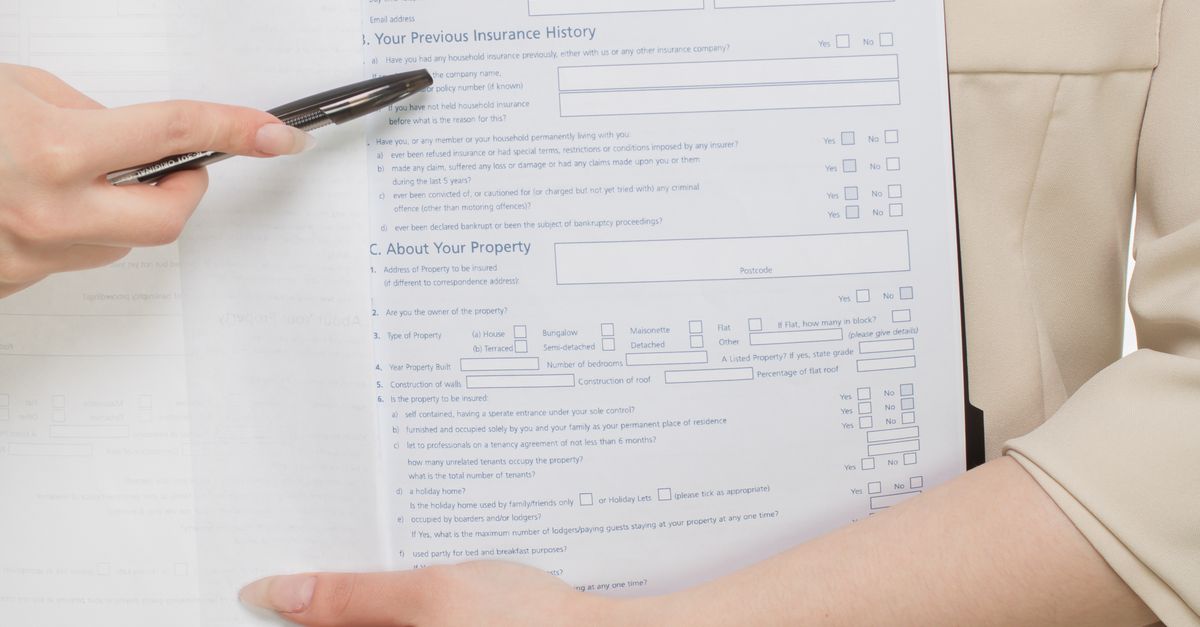
To review your dental benefits before the end of the year, confirm when your plan renews, check the amount your insurer has already paid, and compare your remaining coverage with care you actually need. Then check deductibles, service limits and any required treatment estimates before booking. If your plan renews on January 1, leave time for an examination and any treatment that requires more than one visit.
The renewal date matters because a dental benefit year does not always match the calendar year. Coverage also varies by procedure. A remaining balance is not a promise that the insurer will pay for a cleaning, crown or implant. At Blanc Dental Center, we recommend making two decisions separately: first, what care your oral health calls for, and second, how your plan may help pay for it.
Start with four answers: When does your benefit year end? How much of your annual maximum remains? Which recommended services are eligible now? How much would you owe after any deductible, coverage percentage or plan limit?
What does a year-end dental benefits review mean?
A dental benefits review is a check of your insurance rules and recent claims against your current dental needs. It is more useful than simply looking up a balance. You need to know whether that balance applies to the specific care you are considering and whether a visit can take place during the current benefit year.
Several terms are easy to mix up:
- Benefit year: The period during which your plan tracks its annual limits. Ask your insurer for its start and end dates rather than assuming it ends on December 31.
- Annual maximum: The most the plan may pay toward eligible services during that benefit year. It is not a credit you can spend on any procedure.
- Deductible: An amount you may have to pay before certain coverage applies. Ask which services it affects and whether you have already met it.
- Coverage percentage: The portion a plan may pay for an eligible service, subject to the policy’s other rules.
- Frequency limit: A rule governing how often a service, such as an examination or cleaning, may be covered.
These terms work together. You might have money left under your annual maximum but have reached the plan’s limit for cleanings. Alternatively, a service may be eligible, but your deductible and the plan’s payment percentage still leave you with a patient portion. The insurer can clarify how those rules apply to your policy.
Use this order to review your plan
We suggest checking the plan before trying to fit treatment into the calendar. That keeps the discussion focused on your health, likely costs and realistic appointment timing.
- Find your renewal date. Look at your benefits booklet, insurer portal or a recent explanation of benefits. If the date is unclear, ask the insurer: “When does my current dental benefit year end, and when does the next one begin?” Also ask whether unused benefits carry forward.
- Check what has already been paid. Record your annual maximum, the amount the insurer has paid this benefit year and the balance it shows today. Check whether recently submitted claims are still pending, since they may change that balance.
- Check the rules for each type of care. Ask about your deductible, coverage percentages, exclusions, waiting periods and any separate limits. Do not assume an examination, root canal, crown, implant and orthodontic treatment are treated alike.
- Match coverage to a clinical plan. Gather any recommended treatment and ask your dentist which concerns need attention soon, which can be planned and which are elective. If you have not had an examination recently, book an assessment rather than guessing what treatment you need.
- Clarify the expected patient portion. For more involved care, ask for the proposed treatment details and whether your insurer accepts a pretreatment estimate. Confirm which stages are included when you compare estimates.
- Book around the treatment timeline. Ask how many visits may be needed and whether a proposed appointment date matters under your policy. A consultation before renewal does not mean later treatment falls within the same benefit year.
A useful insurer question: “For this proposed service, what would you pay if it takes place before my renewal date, and what would change if it takes place afterward?” Ask how the insurer handles treatment completed in stages.
Check your available coverage without mistaking it for cash
Your insurer’s remaining annual maximum can help with planning, but it tells only part of the story. Imagine that a member portal shows a balance still available. That balance might help pay for an eligible filling, yet it does not establish whether a different service is covered or whether a frequency limit has already been reached. A recent claim awaiting processing could also reduce the amount shown.
When you contact your insurer, note the date and ask it to walk through the proposed service. Useful questions include:
- Is this service covered under my specific plan?
- Is there a deductible, and have I met it?
- What percentage would the plan pay, and is payment based on a fee schedule or another plan limit?
- Would a previous claim for similar treatment affect eligibility?
- Does this service have its own annual or lifetime maximum?
- Is there a waiting period, exclusion or requirement to send an estimate first?
- How does the plan handle treatment with separate appointments or components?
Keep the answer with your treatment information. If the explanation is complicated, ask the insurer to identify the relevant policy provision or send you a written response. A coverage estimate helps you plan, while the insurer’s final payment is determined when it processes the claim.

Review preventive care and frequency limits
If you are due for an examination or cleaning, check both your dental needs and your plan’s timing rules. Insurance eligibility and clinical recommendations are different questions. A plan might allow another cleaning while your dentist recommends a different interval, or your dentist might recommend care more often than the plan pays for it.
Ask your insurer when your last examination and cleaning were counted and whether a new visit is eligible. If imaging may be needed, ask separately about applicable X-ray limits. Do not assume an examination and every image taken during that visit share the same coverage rule.
At our Montreal clinics, appointment choice matters too. Our appointment page distinguishes a full exam, a consultation for a specific concern and a recall or cleaning visit for an existing patient who has had a prior full exam. The full exam includes a panoramic X-ray. A consultation may involve X-rays or tests, and more complex care may require a full exam. If you are uncertain which visit fits, our guide to choosing between an exam, consultation and cleaning can help you prepare.
Preventive visits can also reveal issues that affect the rest of your plan. A cleaning appointment is not a substitute for evaluating persistent bleeding, pain or a damaged restoration. Tell us about those concerns when you book so the visit is chosen for the problem you want assessed.
Prioritize treatment by health need, not by the reset date
A year-end deadline can make every unfinished treatment feel equally urgent. It is not. We find it more helpful to sort care into three practical groups, then discuss insurance timing within each group.
Care that needs prompt assessment
Persistent or severe tooth pain, swelling, signs of infection, a broken tooth that hurts or a restoration that has come loose should not wait simply because a new benefit year might offer more coverage. A dentist needs to examine the problem before recommending treatment. If you are unsure whether your symptoms warrant urgent care, read our guide to when a toothache is a dental emergency.
Recommended care that should be scheduled
This may include treatment already discussed for a cavity, weakened tooth or gum condition. Ask what might happen if it is deferred and whether the treatment plan involves multiple visits. For example, if a crown or root canal has been recommended, the clinical reason for that recommendation should guide the decision, not just the amount left on a policy.
Care you can plan around your goals
Some cosmetic or orthodontic decisions allow more room to consider timing and budget. Ask the insurer whether the service is covered at all before trying to use a remaining annual maximum for it. An available balance does not turn an excluded service into an eligible one.
This order helps avoid two costly mistakes: rushing into care you have not evaluated, and postponing an important assessment because you want to wait for coverage to renew. If your treatment plan is older, it may need to be reassessed before you schedule.
Plan carefully for crowns, bridges and other staged care
Restorative treatment can involve an examination, diagnostic work, preparation and placement. The number and timing of visits depend on the tooth and the proposed procedure. Ask for a clear explanation of what is planned at each appointment, which services are billed separately and when the insurer would consider each service eligible.
Our services include crowns, bridges, root canal treatment and same-day CEREC crowns. Same-day technology can be useful when a crown is clinically appropriate, but it does not replace an examination or guarantee that every case can be finished in one visit. For a closer look at the appointment differences, see same-day CEREC crowns versus traditional crowns.
Before booking a restorative procedure near your benefit-year deadline, ask these questions:
- Is the diagnosis and treatment plan current?
- Does the proposed care involve one visit or several?
- Would the insurer cover the procedure under the current plan rules?
- Are there limits related to an existing filling, crown or bridge?
- What portion would I pay if treatment takes place before renewal compared with afterward?
If a tooth is painful or unstable, resolve the clinical timing first. A calendar can help you organize appropriate care, but it cannot tell you whether delaying treatment is safe.

What if your treatment plan includes dental implants?
Implant care deserves a separate benefits conversation. A proposed treatment may involve evaluation, imaging, implant placement and a restoration after healing. Depending on the case, other care may also be considered. Your insurer may treat those components differently, so asking only “Are implants covered?” may not give you a useful answer.
Ask the insurer about each proposed component and any applicable exclusions or limits. Ask your dentist for the sequence of care so you understand what happens first and what may take place after your plan renews. Implant healing cannot be compressed to fit an insurance deadline.
Blanc Dental Center offers dental implant consultations and treatment in Montreal, including implant restorations and full-arch options. We can evaluate the clinical questions that shape a plan, such as the condition of the remaining teeth and gums and the needs of the missing-tooth site. If you are considering this care, our article on staged dental implant treatment and costs explains why a treatment sequence matters when planning a budget. The appropriate approach comes from an assessment, not from the unused amount on a benefits statement.
Bring the right information to your appointment
A short, organized record makes the conversation more productive. Before you call the clinic, gather your insurance identification, benefit-year dates and any explanation of benefits you have for recent dental claims. Write down your main concern, when it started and any treatment previously recommended.
If you have a proposed procedure, bring the insurer’s answer about eligibility, deductibles, limits and estimates. If you have two plans, ask the insurers how they coordinate payments and which information each one needs. Do not assume that having two plans means your full fee will be paid.
| What to check | Why it matters | Who to ask |
|---|---|---|
| Benefit-year end date | Determines when annual plan limits renew | Your insurer or plan administrator |
| Remaining annual maximum and pending claims | Shows how much insurer payment may still be available | Your insurer |
| Deductible and service eligibility | Helps estimate your potential patient portion | Your insurer |
| Cleaning, exam and imaging limits | Prevents assumptions about a preventive visit | Your insurer |
| Diagnosis and treatment priority | Separates dental needs from coverage timing | Your dentist |
| Visit sequence and appointment availability | Shows what can realistically be assessed or completed | Your dental clinic |
Keep your notes simple. A list of unanswered questions is more useful than trying to interpret an entire policy on your own. If you are comparing treatment options, ask what each option addresses, what visits it involves and which questions to put to the insurer.
Best practices for the final weeks of a benefit year
- Review benefits before choosing an appointment date. Knowing the reset date and plan limits makes scheduling more purposeful.
- Describe symptoms when you contact us. A painful tooth calls for a different appointment discussion than a routine recall.
- Ask about the full sequence for involved care. An initial consultation, a procedure and a final restoration may occur at different times.
- Confirm coverage for the specific proposed care. Broad plan categories do not answer every question about a particular tooth or procedure.
- Leave room for assessment and insurer responses. Avoid treating the last day of a benefit year as the deadline to begin discussing an unresolved problem.
- Make the health decision first. A useful insurance benefit helps pay for appropriate care. It should not be the reason to undergo treatment you do not need.
If you miss a renewal date, that does not make a dental examination less worthwhile. Find out what the new benefit year allows and address any symptoms or recommended care on a clinically sensible schedule.
Frequently asked questions about year-end dental benefits
Do all dental plans renew on January 1?
No. Confirm your own benefit-year dates with your insurer or plan administrator. A plan that follows a different renewal cycle will not necessarily change on January 1.
Will I lose my unused dental benefits at year-end?
That depends on your plan’s rollover rules. Ask your insurer whether any unused annual maximum carries forward and whether that rule applies to your specific coverage.
Does having money left under my annual maximum mean my cleaning is covered?
Not necessarily. Your plan may have a frequency limit for cleanings or examinations. Ask when your last eligible visit was counted and whether the next one qualifies.
Should I schedule treatment I have been putting off before my plan renews?
Start by confirming that the treatment recommendation is still appropriate and how soon the condition needs attention. Then check its eligibility and your expected costs. Pain, swelling or signs of infection warrant prompt assessment rather than a decision based only on the renewal date.
Does a consultation before year-end mean my whole treatment uses this year’s coverage?
No. An examination or consultation and later treatment may be separate services at different times. Ask the insurer how it handles each proposed stage and ask your dentist about the expected sequence.
How do I find out whether a crown or implant will be covered?
Ask your dentist for the proposed treatment details, then ask your insurer about the eligibility and limits for each relevant service. If the insurer accepts a pretreatment estimate, ask whether submitting one would clarify your anticipated patient portion.
Can I book a cleaning as a new patient?
At our clinics, a recall or cleaning appointment is intended for existing patients who have had a prior full exam. New patients can book a full exam, and a consultation is available for a specific problem. Choose the visit that matches what you need assessed.
What if I do not have dental insurance?
You can still seek dental care. An examination can help establish priorities and treatment options so you can plan around your health needs and budget without relying on an insurance renewal date.
Make a practical plan for your dental care in Montreal
Start with your insurer’s renewal date, remaining maximum and rules for the care you may need. Then use an examination or consultation to establish clinical priorities and a realistic treatment sequence. That approach gives you a sounder basis for booking than a benefit balance alone.
To arrange a visit with us, choose an appointment type or contact one of our Montreal clinics. Our St-Henri clinic is at 4215 Rue Saint-Jacques, (514) 933-3368. Our Jean-Talon O clinic is at 5001 Rue Jean-Talon O, (514) 564-4554. Both locations offer free parking.