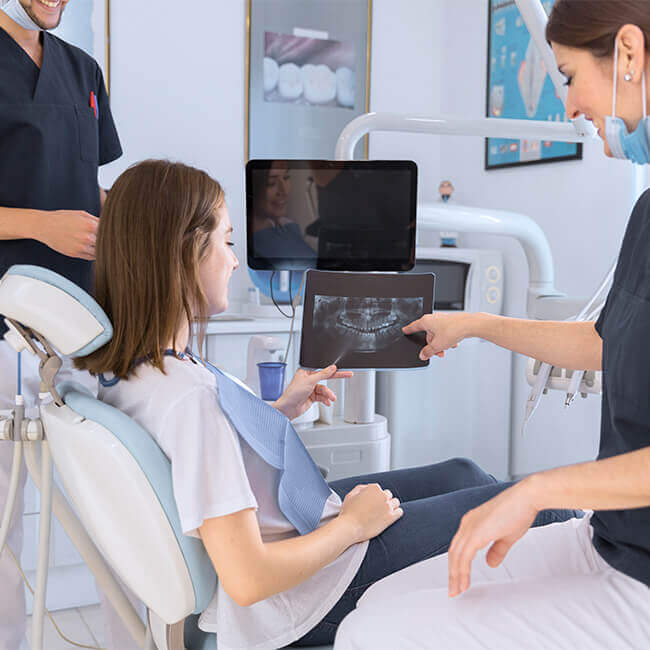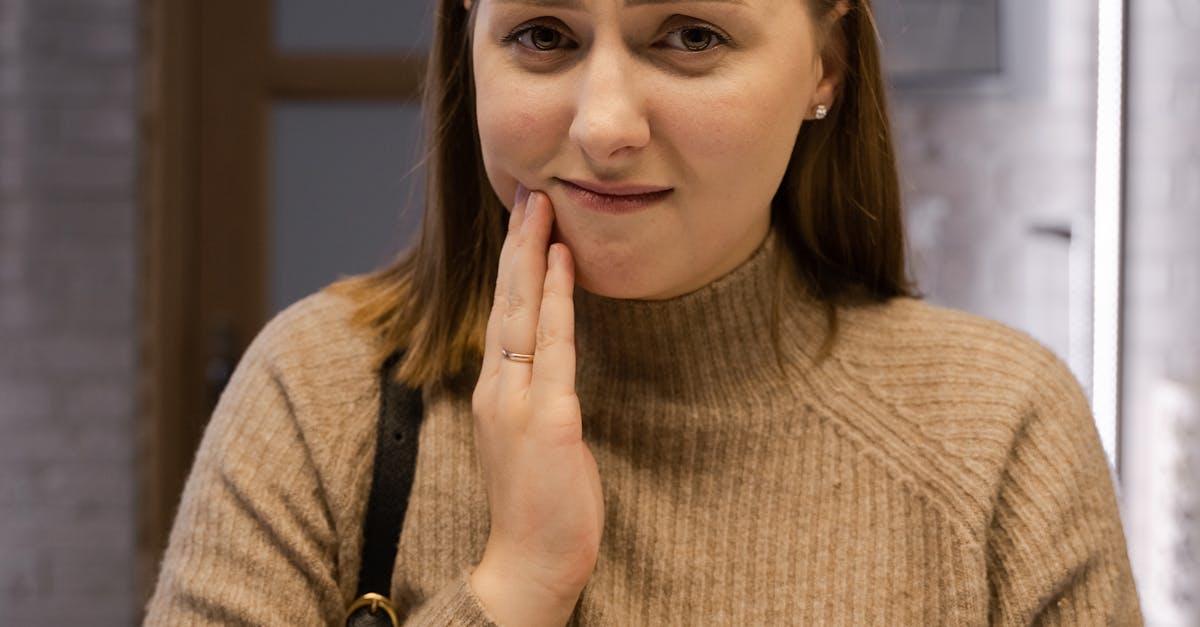
If you’re suffering from a toothache, it can be difficult to assess whether it’s a minor hassle or a true dental emergency. In some cases, a toothache signals an urgent issue that demands attention right away; in others, it may be safe to wait and monitor symptoms at home. Understanding the difference—not only for your comfort, but for the long-term health of your teeth and gums—can make a world of difference.
At Blanc Dental Center, we treat dental emergencies every week across Montreal, including severe toothaches that need immediate intervention to prevent complications such as infection, tooth loss, or systemic health impacts. Here’s how you can tell when a toothache is a dental emergency, what to do next, and why trusting an experienced clinic like Blanc Dental Center is the best step for your health and peace of mind.
A toothache refers to pain in or around a tooth or the supporting bone and gum tissue. It may range from dull, throbbing discomfort to sharp, severe pain and may be accompanied by swelling, sensitivity, or visible changes in your gums or face. Toothaches can result from cavities, dental trauma, infection (abscess), gum disease, cracked teeth, or other issues. Not all toothaches require emergency care, but some can indicate rapidly worsening conditions.
While minor and fleeting tooth sensitivity might be monitored at home for a day or two, dental pain that is severe, persistent, or associated with other symptoms should not be ignored. The following criteria indicate a dental emergency requiring prompt professional evaluation at Blanc Dental Center:


| Symptom | Non-Emergency | Emergency |
|---|---|---|
| Pain | Mild, comes and goes, manageable with painkillers | Severe, persistent, disrupts sleep, not relieved by OTC medications |
| Swelling | No swelling, or very slight gum puffiness | Face, jaw or throat swelling (especially rapid or extensive) |
| Fever | No fever | Fever or chills with oral/facial pain |
| Pus/Taste/Bad Breath | None or minor | Noticeable pus, bitter/metallic taste, persistent bad breath |
| Function | Can eat, talk, breathe, and swallow normally | Difficulty opening mouth, breathing or swallowing |
| Tooth Mobility | Stable teeth | Loose, shifted, cracked, or knocked-out teeth |
Our team at Blanc Dental Center, led by dental experts Dr. Dan Munteanu DMD (General Director, minimally invasive implantology and endodontics) and Dr. Gabriel Iorgovan DMD (Clinical Director, advanced root canal therapy, prosthetics), is committed to excellence and patient satisfaction. We serve all ages across Montreal from two modern clinics in Saint-Henri and Saint-Laurent, with extended hours Monday through Saturday and same-day appointments for emergencies.
What sets Blanc Dental Center apart in dental emergency care includes:
You can read more about what to do in a dental emergency in our detailed guide: What Should I Do in a Dental Emergency in Montreal?
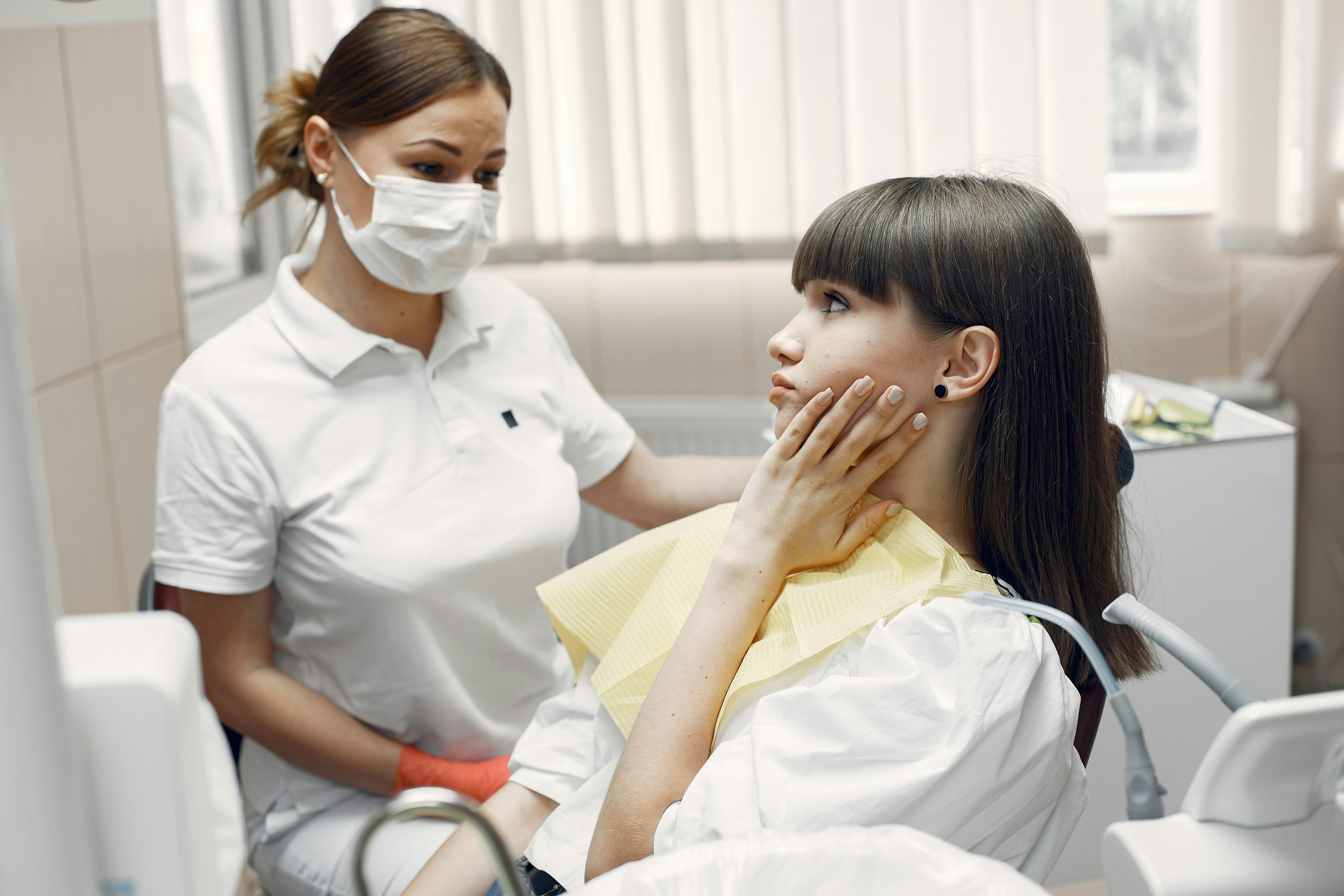
If your pain is mild, occasional, and not accompanied by swelling or fever, you can monitor it for 1-2 days. If pain is severe, persistent, associated with swelling, pus, fever, or if you have trouble swallowing or breathing, seek urgent dental care at Blanc Dental Center.
Yes, our clinics in Montreal are open Monday through Saturday, offering same-day emergency appointments whenever possible. If you are unsure, call either our Saint-Henri or Saint-Laurent locations and our staff will help arrange urgent care.
Emergency treatment depends on diagnosis: you may require antibiotics, drainage, dental fillings, root canal therapy, dental crowns, or tooth extractions. Blanc Dental Center can typically start treatment the same day, following diagnostic imaging and consultation.
Yes, especially if it spreads quickly, affects your ability to open your mouth, swallow, or breathe. These symptoms can signal spreading infection that requires immediate intervention to prevent systemic illness.
Most dental emergency services are covered in part by insurance plans in Quebec, usually between 50 and 80 percent. Our administrative team can assist with claims and provide transparent quotes before treatment.
If you lose an adult tooth from trauma, rinse it gently (holding the crown, not root), keep it moist (in milk or saline, not water) and bring it to the clinic within an hour for the best chance of reimplantation. Call us immediately and we’ll give personalized guidance.
Regular checkups, strong oral hygiene, well-fitted sports or night guards, and prompt attention to minor dental problems all reduce the risk of emergencies. Our team is happy to design a personalized prevention program for you.
The line between a routine toothache and a dental emergency comes down to severity, duration, and associated symptoms like swelling, fever, or difficulty swallowing. Acting quickly saves teeth, eases pain, and can protect your overall health. We invite Montreal residents to trust Blanc Dental Center—recognized for advanced technology, patient-first values, and expert emergency care—as your go-to partner in dental health. If you’re experiencing any symptoms described here, call or book an emergency appointment online. Your smile and well-being are our top priority.